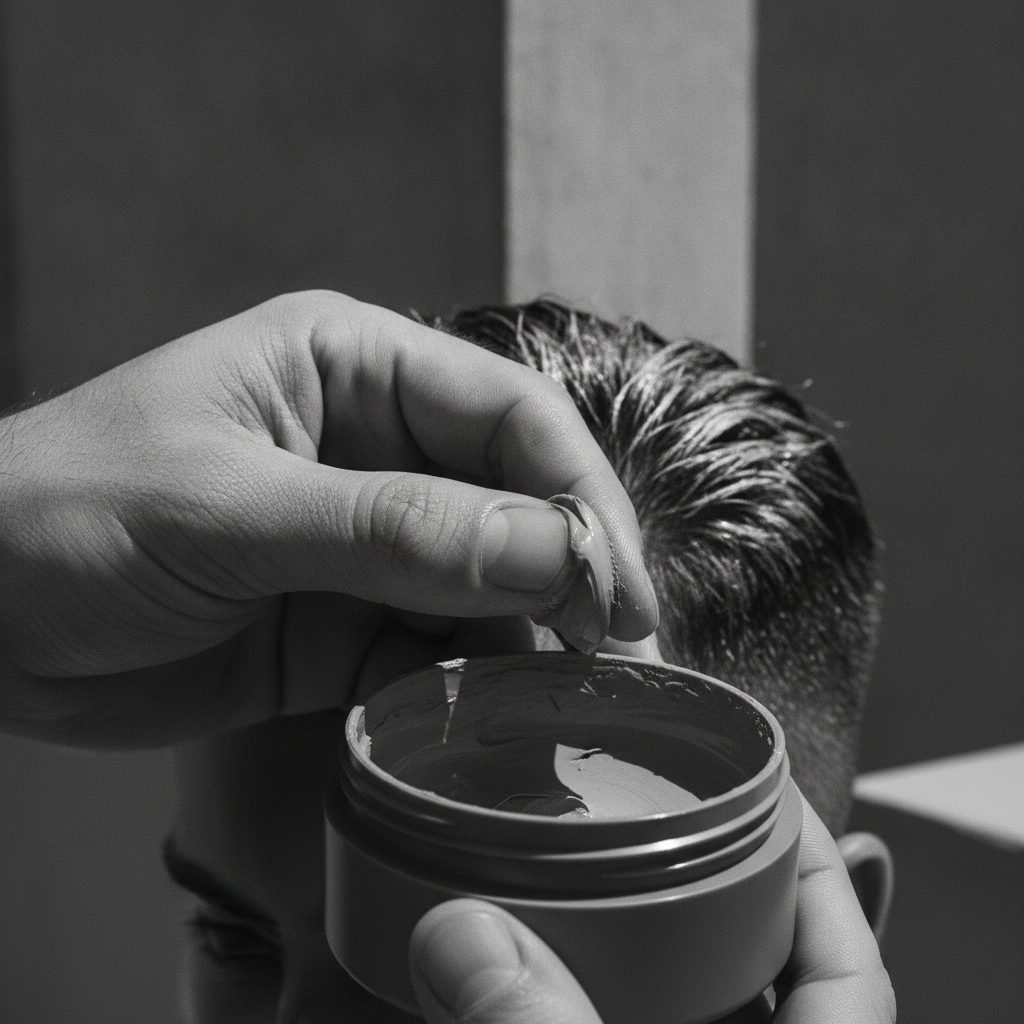
Hair clay has become the dominant styling product for a specific type of modern men's hairstyle — one that looks like it has not been styled. The textured crop, the messy quiff, the undone side part: these styles demand a product that provides structure and hold without the wet look or rigid helmet effect of traditional gels and waxes. Clay is that product.
The term "clay" in styling products refers to the inclusion of kaolin clay, bentonite clay, or similar mineral clays in the formula. These minerals absorb oil and water, mattifying the hair while providing a textured, flexible hold. The result is a style that reads as natural while being fully controlled — a difficult balance that pomade and gel both fail to achieve. Visit our hair section for more on building a complete grooming routine.
Clay vs Pomade vs Wax: Understanding the Difference
The distinctions between styling product categories are meaningful, not marketing. Each has a specific finish and hold characteristic that determines which hairstyles it suits.
| PRODUCT | HOLD | FINISH | RESTYLE? | BEST FOR |
|---|---|---|---|---|
| Clay | Strong | Matte | Limited | Textured, natural looks |
| Water-based Pomade | Medium-High | Shine | Yes | Classic, slicked styles |
| Oil-based Pomade | Medium | High Shine | Yes | Vintage, barbershop styles |
| Wax | Medium | Low Shine | Limited | Short, textured styles |
| Gel | Very Strong | Wet/Shine | No | Wet look, structured styles |
The Best Hair Clays of 2026
American Crew Fiber — The Industry Standard
American Crew Fiber is not technically a clay — it uses a fiber technology rather than mineral clay as its primary texturizing agent — but it occupies the same performance space and is often grouped with clays for this reason. The hold is medium-strong with a low-shine, natural finish. It is the most widely used professional-grade men's styling product in barbershops globally, and its performance consistency has made it the de facto benchmark for the category.
Fiber works best on medium-length hair with some natural texture. It is easy to distribute through damp or dry hair and builds well when layered — a second small amount added after initial styling will increase hold without adding shine. At around $18 for 85g, it is excellent value for a professional-grade product.
Hanz de Fuko Claymation — Premium Performance
Hanz de Fuko is a Los Angeles-based styling brand with a cult following among barbershop-adjacent grooming enthusiasts. Claymation uses beeswax and kaolin clay as its primary hold ingredients, producing a strong, workable hold with a matte finish that remains pliable throughout the day. Unlike some clays that set rigidly, Claymation can be restyled with your fingers during the day — a significant practical advantage.
The scent is subtle and fresh — important for a product you are working through your hair with warm hands. At $28 for 60g, it is the most expensive option reviewed here per gram, but the performance justifies the premium for those prioritizing pliability and finish quality. Works particularly well on thick, coarse hair that resists lighter formulations.
"Apply clay to damp hair for texture and volume. Apply to dry hair for maximum hold and definition. The water content in damp hair emulsifies the product and allows better distribution — learn which application works for your hair type."
How to Apply Hair Clay Correctly
Hair clay is one of the more technique-sensitive styling products. The amount needed, the application method, and the hair's moisture level all significantly affect the result. Getting any of these wrong produces either a product-heavy, crunchy look or insufficient hold.
Start with a small amount — roughly the size of a pea for short hair, two peas for medium length. Rub the clay between your palms for 10 to 15 seconds. This is important: the warmth from your hands emulsifies the clay's wax and clay components, making them distributable. Cold clay applied directly to hair will clump and create uneven hold.
Work the emulsified clay through your hair from the roots, not the tips. Most men make the mistake of applying product to the surface of their hair, which creates surface-level hold with no internal structure. Working from the roots builds the foundation that keeps the style in place. Finish by shaping with fingertips or a comb for definition.
Which Clay Is Right for Your Hair Type
Fine hair benefits from lighter clay formulations — American Crew Fiber, which has a lighter base than true mineral clays, avoids weighing fine strands down while still providing structure. Use on damp hair for volume and definition without heaviness.
Thick or coarse hair needs a more substantial clay. Hanz de Fuko Claymation and Baxter of California Clay Pomade have the hold strength to manage dense hair that resists lighter products. Apply to dry hair for maximum control on particularly resistant textures.
Curly hair is typically better served by cream-based products or curl-enhancing formulations rather than clay, which can define individual curls into a frizzy, separated look. If you want definition with matte finish on curly hair, apply a very small amount of clay to dry hair, working section by section.