Beard hair grows beyond the range of the sebaceous glands that naturally moisturize it. At lengths beyond a few centimetres, the skin's own sebum production can no longer adequately coat every strand — the result is dry, brittle hair and itchy, flaky skin beneath the beard. Beard oil is the engineering solution: a precisely formulated blend of carrier and essential oils that replaces what biology cannot supply.
The quality of a beard oil is determined almost entirely by its carrier oils — the base that delivers active conditioning to both hair fiber and skin. Fragrance is secondary. This is our carrier-oil-first ranking of the best beard oils in 2026.
The Science: Why Beard Hair Needs Oil
Sebaceous glands and follicle length: Sebaceous glands sit at the base of each hair follicle and secrete sebum — a mixture of fatty acids, wax esters and squalene. These glands produce a fixed volume regardless of hair length. At stubble length (<5mm), sebum adequately coats the full fiber. At beard lengths of 2cm+, the sebum output is insufficient to travel the full length of the hair shaft, leaving mid-lengths and tips unprotected.
Hair fiber composition: Beard hair is terminal hair — coarser and thicker than scalp hair, with a cuticle layer that is more raised and irregular. This makes beard hair more susceptible to moisture loss and mechanical damage from abrasion. Carrier oils with molecular weights similar to sebum (primarily oleic acid-rich oils) are absorbed most readily into the hair cortex.
Skin beneath the beard: The skin under a beard is subject to poor airflow, reduced exfoliation and accumulating dead skin cells — contributing to beardruff (seborrheic dermatitis-like flaking). Oils with anti-inflammatory or antimicrobial properties (tea tree, jojoba) address this specifically.
Carrier Oils — What Actually Matters
Argan oil: High in oleic acid (46%) and linoleic acid (36%). Lightweight, non-greasy. Well-absorbed by both hair and skin. The gold-standard carrier oil for most beard types.
Jojoba oil: Technically a liquid wax ester — chemically closer to human sebum than any other plant oil. Non-comedogenic (won't block pores). Extremely stable; very long shelf life. Excellent for skin conditioning.
Avocado oil: Rich in oleic acid (71%) and vitamin E. Heavier than argan — better suited to thicker, coarser beards or very dry skin. Deeply penetrating.
Sweet almond oil: High in oleic acid (73%), excellent slip and skin feel. Softens hair fibres effectively. Good for beards that feel wiry.
Coconut oil: High lauric acid content (47%) allows deep penetration into hair cortex — reducing protein loss. However, comedogenic rating of 4/5 means it can block pores. Best for the beard itself, not skin beneath.
Best Beard Oils 2026 — The Rankings
1. Honest Amish Premium Beard Oil ($14) — BEST OVERALL
Multi-oil formula: argan, avocado, pumpkin seed and sweet almond carrier oils in an unscented base. Honest Amish focuses entirely on conditioning performance rather than fragrance marketing. The blend covers hydration (argan, almond), deep conditioning (avocado) and vitamin richness (pumpkin seed — high in zinc, which supports skin health). Made in USA, no artificial fragrances. Best for: all beard lengths, sensitive skin beneath beard.
2. Jack Black Beard Oil ($28) — BEST PREMIUM
Kalahari melon, meadowfoam and sunflower oils form the base — all lightweight, non-greasy carriers with excellent hair-penetrating properties. Kalahari melon oil in particular has an oleic/linoleic acid profile very similar to human sebum. The cedarwood and ginger fragrance is subtle and masculine. Absorbs quickly with zero residue. Best for: office environments, shorter-to-medium beards, anyone wanting premium finish.
3. Every Man Jack Cedarwood Beard Oil ($10) — BEST VALUE
Naturally derived, sulphate-free formulation with argan and jojoba as primary carriers. At $10, this delivers the two most important carrier oils (argan for hair conditioning, jojoba for skin sebum-mimicry) at an accessible price point. The cedarwood scent is clean and woodsy. A solid starter beard oil. Best for: first beard oil purchase, budget-conscious grooming.
4. Cremo Styling Beard Oil ($10) — BEST LIGHTWEIGHT
Argan and avocado oil base in an unusually lightweight, fast-absorbing formula. The thyme and forest scent is subtle. Particularly well-suited for shorter beards (1–3cm) where a heavier oil would create a greasy appearance. The lightweight formulation is also a strong choice for warmer climates or men who find most beard oils too heavy. Best for: short beards, hot climates, men who dislike oily feel.
5. Mountaineer Brand Beard Oil ($17) — BEST FOR BEARD ITCH AND DANDRUFF
The WV Coal and Pine variant combines tea tree oil (clinically proven antimicrobial and antifungal) with pine tar (historically used for seborrheic dermatitis treatment). If you experience persistent itching, flaking or "beardruff" under your beard, this is the engineering-correct solution. The scent is distinctly woodsy-medicinal. Best for: beard itch, beardruff, seborrheic dermatitis beneath the beard.
Comparison Table
| PRODUCT | BASE OILS | SCENT | BEST FOR | PRICE |
|---|---|---|---|---|
| Honest Amish Premium | Argan, avocado, pumpkin seed, almond | Unscented | All beard types, sensitive skin | $14 |
| Jack Black Beard Oil | Kalahari melon, meadowfoam, sunflower | Cedarwood/ginger | Short-medium beards, office use | $28 |
| Every Man Jack | Argan, jojoba | Cedarwood | First oil, budget pick | $10 |
| Cremo Styling | Argan, avocado (lightweight) | Thyme/forest | Short beards, hot climates | $10 |
| Mountaineer Brand | Jojoba + tea tree + pine tar | Woodsy/medicinal | Beard itch, beardruff | $17 |
How to Apply Beard Oil Correctly
When: Apply after showering while the beard is still slightly damp. The hair cuticle is open after warm water exposure, maximizing oil absorption. Never apply to a completely dry beard — it won't penetrate as effectively.
How much: 3–5 drops for short beards (under 2cm). 6–8 drops for medium beards (2–5cm). 10+ drops for longer beards. Start conservatively — you can always add more, but too much oil creates a greasy, unwashed appearance.
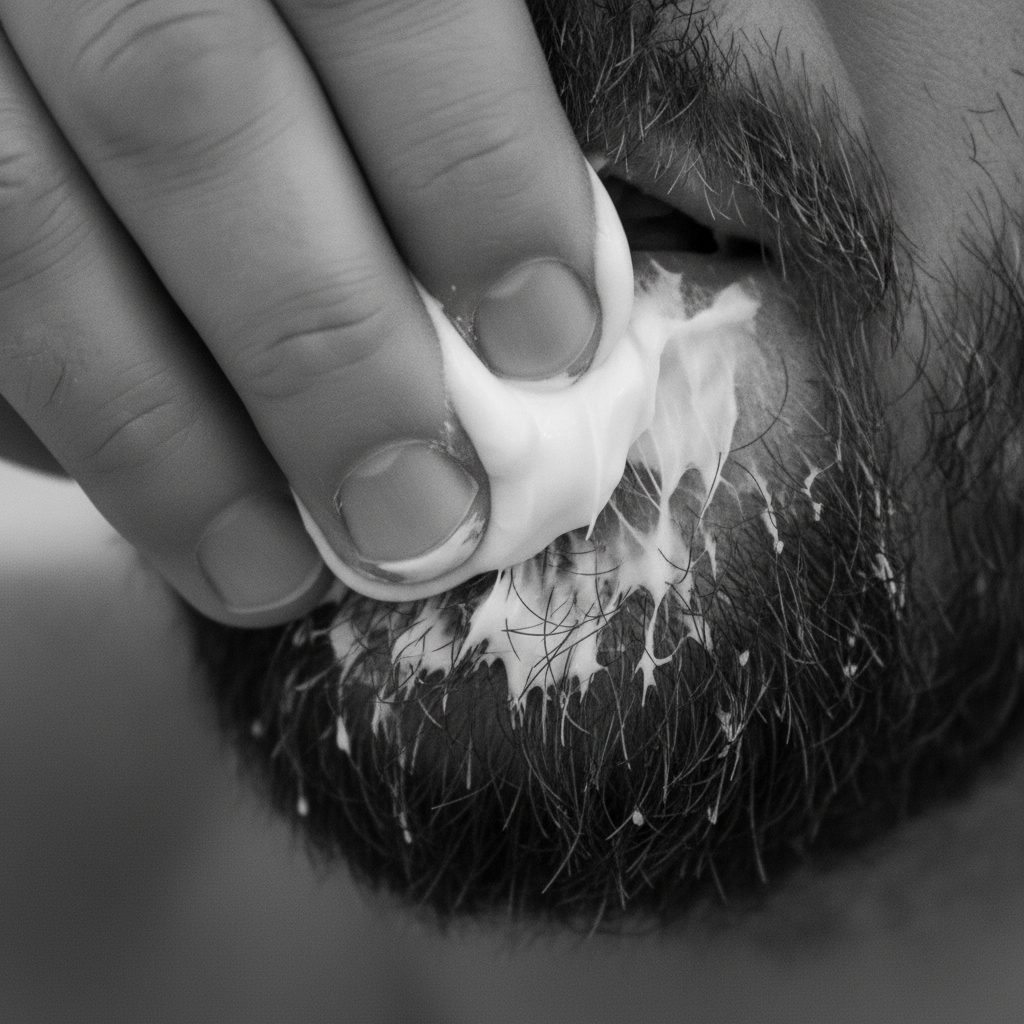
Application method: Dispense drops into palm, rub hands together to warm the oil, then work fingers through the beard from skin outward. Use a boar bristle brush or beard comb to distribute evenly after application.
Beard Oil vs Beard Balm — Which Do You Need?
Beard oil is primarily a conditioning product — it softens hair and moisturizes skin, with minimal hold. Beard balm combines conditioning ingredients (shea butter, carrier oils) with beeswax for light-to-medium hold. For beards under 3cm, beard oil alone is typically sufficient. For beards over 3cm that require shaping or taming flyaways, layer beard balm over beard oil. Read our complete guide to the best beard balms of 2026 for the balm rankings.
For beard trimming tools, see our best beard trimmers 2026 guide. If your mustache specifically needs a firmer, all-day hold rather than conditioning, see our guide to the best mustache wax for men. Oil conditions the beard you have; if the goal is more density, see our guide to the best beard growth serum. For the full beard category hub, visit our Beard Protocol. Buying for someone else? See our best beard grooming gift sets guide.