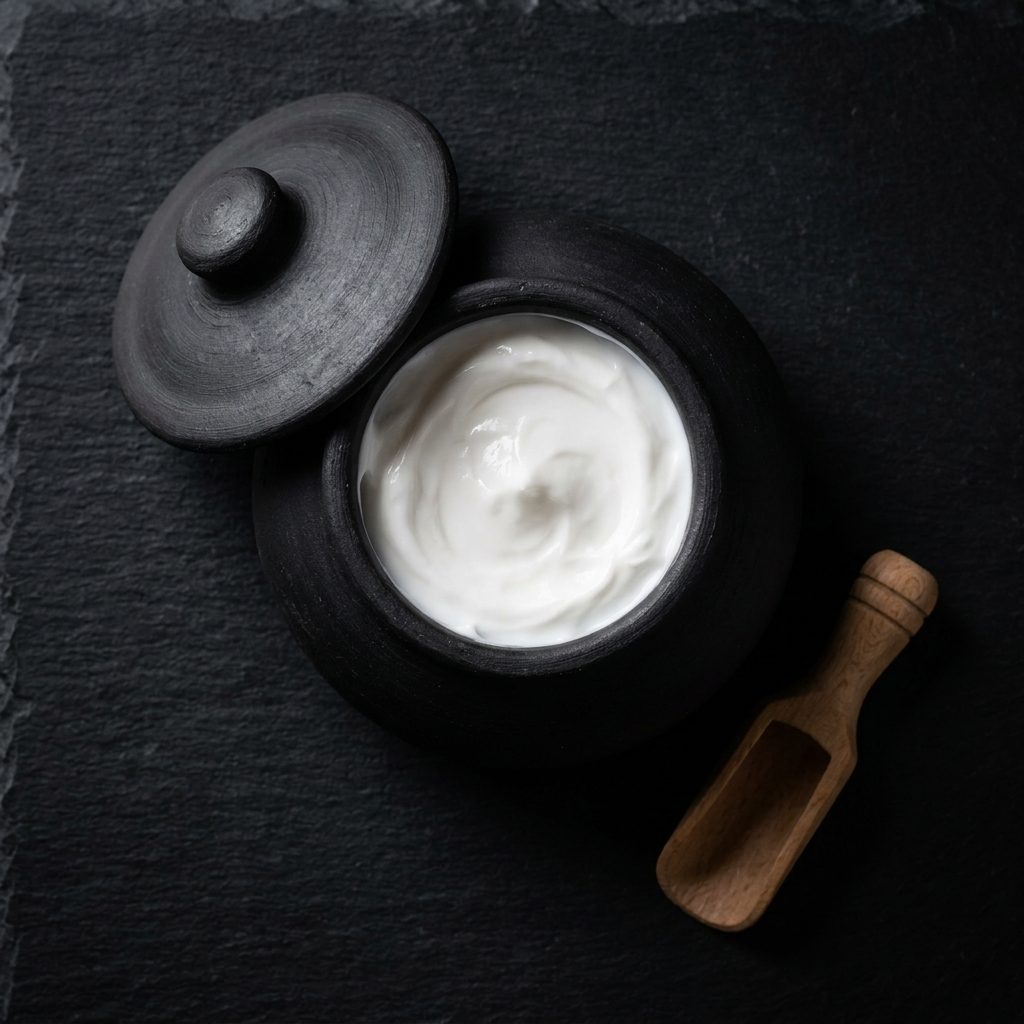
Bottega Organica is an Italian certified-organic grooming brand founded in Tuscany. Where most clean-beauty brands compromise on efficacy, Bottega Organica bet on cold-pressed botanicals, COSMOS-certified formulas and genuinely minimal ingredient lists. This review covers the four core men's products and whether the premium is justified.
What Is Bottega Organica?
Bottega Organica — literally "organic workshop" in Italian — started as a small-batch apothecary in the hills outside Florence. The founders were motivated by a specific frustration: certified-organic skincare that actually worked at the same performance level as conventional cosmetics. Most organic brands in 2014 either smelled like health-food stores or left skin feeling under-treated.
Their approach was technical: work with Italian agricultural cooperatives to source cold-pressed oils at peak bioactivity, invest in emulsification chemistry that didn't require PEG emulsifiers, and use steam-distilled botanicals rather than synthetic fragrance equivalents. The result is a line that sits closer to a pharmacy brand in texture and efficacy than to most clean beauty. The men's range launched in 2019 and now covers the full grooming spectrum.
Purifying Gel Cleanser
A gel cleanser that transforms to a light foam on application. The texture is denser than most natural cleansers — no watery slip — which is the first sign the emulsification chemistry is sophisticated. It removes sebum and environmental residue without stripping, which is the critical test for any gel wash aimed at daily use.
Verdict: The best-formulated organic face wash in this range for men with sensitive or reactive skin. The sucrose cocoate base is genuinely gentler than sodium lauryl sulfate alternatives while still cutting through post-gym sebum. Scent is subtle and non-synthetic — bergamot fades quickly so it doesn't clash with cologne.
Check Price on Amazon →Regenerating Face Cream
A rich cream-gel hybrid — heavier than a gel moisturizer, lighter than a traditional cream. This is the flagship product and where the brand's botanical sourcing shows most clearly. The scent is genuinely pleasant (mastic resin + light rosemary) rather than the medicinal smell many organic moisturizers carry. Absorbs in 60–90 seconds without a white cast or heavy residue.
Verdict: The standout product in the Bottega Organica range. Rosehip oil providing retinoic acid precursors in an organic formula is rare — most brands shy away from it because it oxidizes if not sourced properly. Cold-pressing preserves the active concentration. The mastic resin addition is clever and genuinely effective for men prone to breakouts.
Check Price on Amazon →Artisan Shaving Soap
A triple-milled hard soap in the Italian tradition — denser and longer-lasting than the soft Croap (cream-soap hybrid) format used by English shaving brands. Takes 30–45 seconds more face-lathering time than a soft soap but produces a thick, cushioned lather with exceptional glide. The tallow-free formula uses a stearic acid base derived from palm kernel (RSPO certified) instead.
Verdict: One of the finest vegan shaving soap formulations available. The triple-milled process gives it a density that artisan soft soaps can't match — a 100g puck will last 6–9 months with daily shaving. Scent is classic Italian barbershop: lavender-forward with green undertones. Works best with a boar or synthetic brush rather than badger.
Check Price on Amazon →Energizing Body Wash
A liquid body wash with a citrus-herbal scent profile anchored by lemon verbena and wild rosemary. The lather is more modest than conventional body washes — this is expected with a sulfate-free surfactant system — but the skin feel post-rinse is noticeably more hydrated. Works best applied with a loofah to extend lather.
Verdict: The weakest product in the range — not because it's bad, but because the premium pricing is hardest to justify here vs. the face cream. At €18/250ml it undercuts Aesop ($46/500ml) significantly, and the scent is exceptional. But men who don't care about clean beauty will find equal performance from half-price drugstore options. For those already buying into the ethos, it's a logical addition.
Check Price on Amazon →Bottega Organica occupies a credible gap in the market: genuinely certified-organic formulas that perform at the level of conventional skincare rather than asking you to compromise. The face cream with cold-pressed rosehip is the headline product and worth buying in isolation if you're cautious about the rest of the range. The shaving soap is the cleanest-formulation puck available if you're a wet shaver committed to natural ingredients.
- →You have reactive / sensitized skin
- →You want organic certification without compromise
- →You're a wet shaver wanting a vegan puck
- →Mediterranean botanicals align with your values
- →You prioritize clinical actives (retinol, niacinamide at 10%+)
- →Rich lathering body wash is a hard requirement
- →Budget is below €20 per product
- →You need hyaluronic acid / peptide focus
Why Cold-Pressing Matters in Skincare
Most botanical oils in skincare are solvent-extracted or refined at high heat. This strips volatile actives — the polyphenols, tocopherols and fatty acids that generate the measurable skin benefits. Cold-pressing (below 40°C) preserves these compounds. The difference is visible on a gas chromatography report: heat-refined argan oil shows depleted tocopherol content compared to cold-pressed equivalents.
COSMOS Organic certification (the European standard used by Bottega Organica) requires that 95% of plant-derived ingredients are organic and that all processing methods preserve the integrity of the raw material. The standard prohibits GM organisms, synthetic preservatives beyond a small permitted list, and irradiation of ingredients.
The practical upshot: when a brand holds COSMOS certification and cold-presses their key oils, the ingredient list is a more accurate predictor of skin benefit than in conventional cosmetics. Rosehip oil in the Bottega Organica face cream will contain measurable retinoic acid precursors. The same oil in a mass-market product sourced from a commodity supplier may not.