There are thousands of moisturizers on the market. Most of them are overpriced water with a marketing story. CeraVe Moisturizing Cream is the exception — a product with a genuine scientific thesis, validated by clinical dermatology and recommended more consistently than any other moisturizer by board-certified dermatologists globally.
This is a deep technical review of what the product actually does, why it works, and how to use it. Updated June 2026.
The Full Ingredient List — Analyzed
Aqua / Water: Primary vehicle. Not noteworthy — all moisturizers start with water.
Glycerin: Humectant. Draws moisture from the dermis and environment into the stratum corneum. One of the most clinically supported skin hydration ingredients. Listed second — high concentration.
Cetearyl Alcohol: Emollient and emulsifier. A fatty alcohol (not a drying alcohol) — smooths skin texture and improves spreadability. Non-irritating.
Caprylic/Capric Triglyceride: Lightweight emollient derived from coconut oil. Reduces transepidermal water loss (TEWL) without heaviness. Excellent skin feel.
Behentrimonium Methosulfate: Conditioning emulsifier. Adds slip and sensory elegance to the cream.
Ceramide NP (Ceramide 3), Ceramide AP (Ceramide 6-II), Ceramide EOP (Ceramide 1): The three essential skin ceramides. Together they replicate the lipid mortar of the healthy stratum corneum. Ceramide NP is the most abundant ceramide in human skin by mass. The combination is proprietary to CeraVe and is what distinguishes this product from generic moisturizers.
Hyaluronic Acid (Sodium Hyaluronate): Humectant capable of holding up to 1,000x its weight in water. Works synergistically with glycerin to maximize moisture retention in the skin's upper layers.
Phytosphingosine: A sphingolipid naturally present in skin. Antimicrobial and anti-inflammatory. Supports the skin microbiome and reinforces barrier integrity between ceramide molecules.
Cholesterol: The third essential lipid of the stratum corneum (alongside ceramides and free fatty acids). Many "ceramide moisturizers" include ceramides but omit cholesterol — CeraVe includes all three lipid classes for complete barrier restoration.
Petrolatum: Occlusive agent. Creates a physical barrier on the skin surface to lock in hydration. Non-comedogenic at the concentration used here. Clinically proven to be the most effective occlusive available.
Dimethicone: Silicone skin-protectant and occlusive. Provides a smooth skin feel and further reduces TEWL. Also aids product spreadability.
Carbomer, Xanthan Gum: Polymeric thickeners that create the cream's characteristic gel-in-cream texture.
Sodium Lauroyl Lactylate: Mild surfactant / emulsifier. CeraVe uses this as a skin-conditioning emulsifier rather than harsher alternatives.
Phenoxyethanol, Ethylhexylglycerin: Preservative system. Phenoxyethanol is the most widely used modern cosmetic preservative. Considered safe at concentrations below 1%, which this formulation uses.
MVE Technology — What It Actually Means
MultiVesicular Emulsion (MVE) is a patented delivery system exclusive to CeraVe. Most moisturizers deliver their active ingredients in a single burst on application. MVE encapsulates ceramides and hyaluronic acid in concentric lamellar spheres — think of a microscopic onion with many layers. As the outer layers break down on the skin, inner layers are continuously released over hours.
The result: a single application of CeraVe Moisturizing Cream continues to deliver ceramides and hyaluronic acid to the stratum corneum for up to 24 hours. Independent studies measuring TEWL demonstrate statistically significant barrier improvement at 24 hours post-application — a result few competing products match.
The Tub vs Tube Question
CeraVe Moisturizing Cream is sold in two formats: the tub (8 oz, 16 oz, 19 oz) and the tube (1.89 oz, 5 oz). The formulation is identical. The practical differences:
Tub: Better value per ounce. Best for body use (chest, legs, post-shower full-body application). The wide opening requires finger dipping — if you have active acne, transfer product with a clean spatula to avoid bacterial contamination.
Tube: More hygienic for face use. Portable for travel. The squeeze format reduces cross-contamination risk. The 5 oz tube is a reasonable face-only format.
Our recommendation: 16 oz tub for body, 5 oz tube for face — or use a clean cosmetic spatula with the tub for both.
Who Should Use CeraVe Moisturizing Cream
Dry to very dry skin: Primary use case. The combination of petrolatum, dimethicone, glycerin and hyaluronic acid covers every mechanism of skin hydration simultaneously.
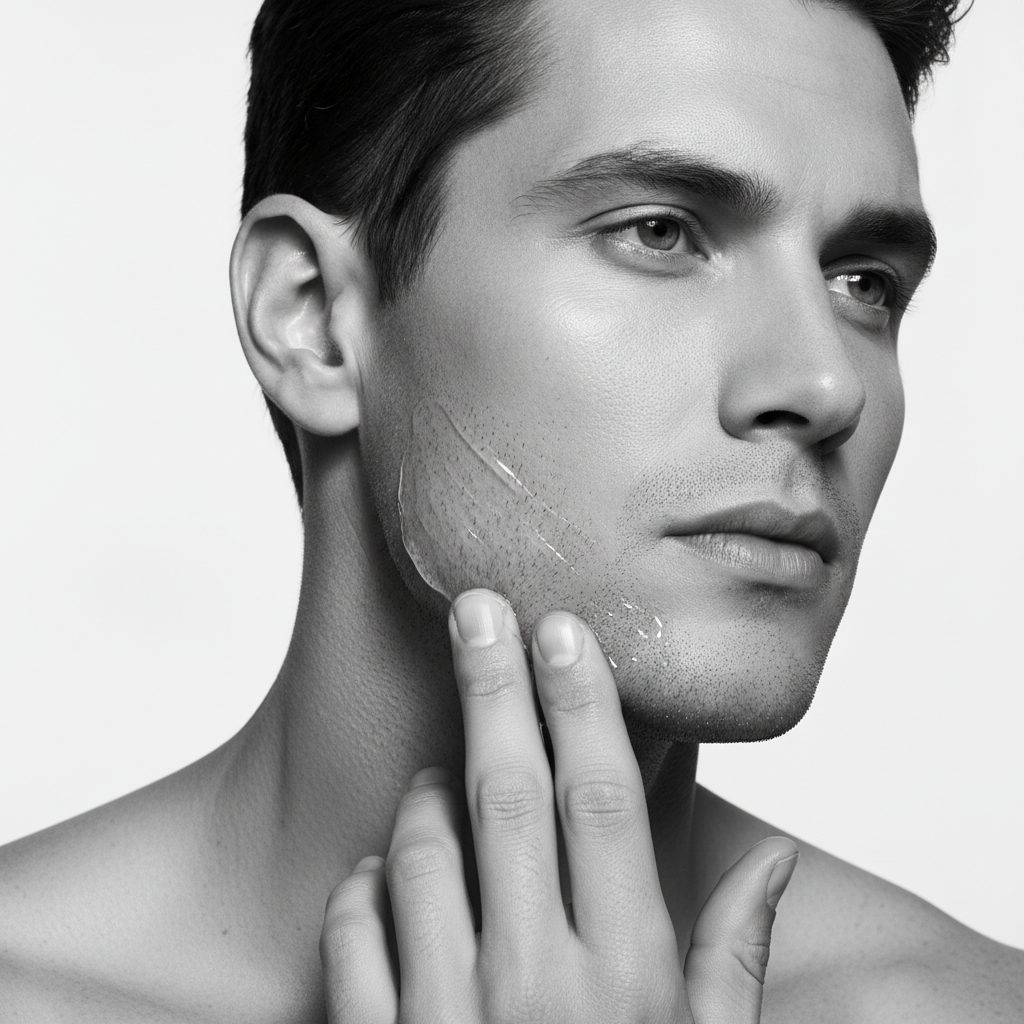
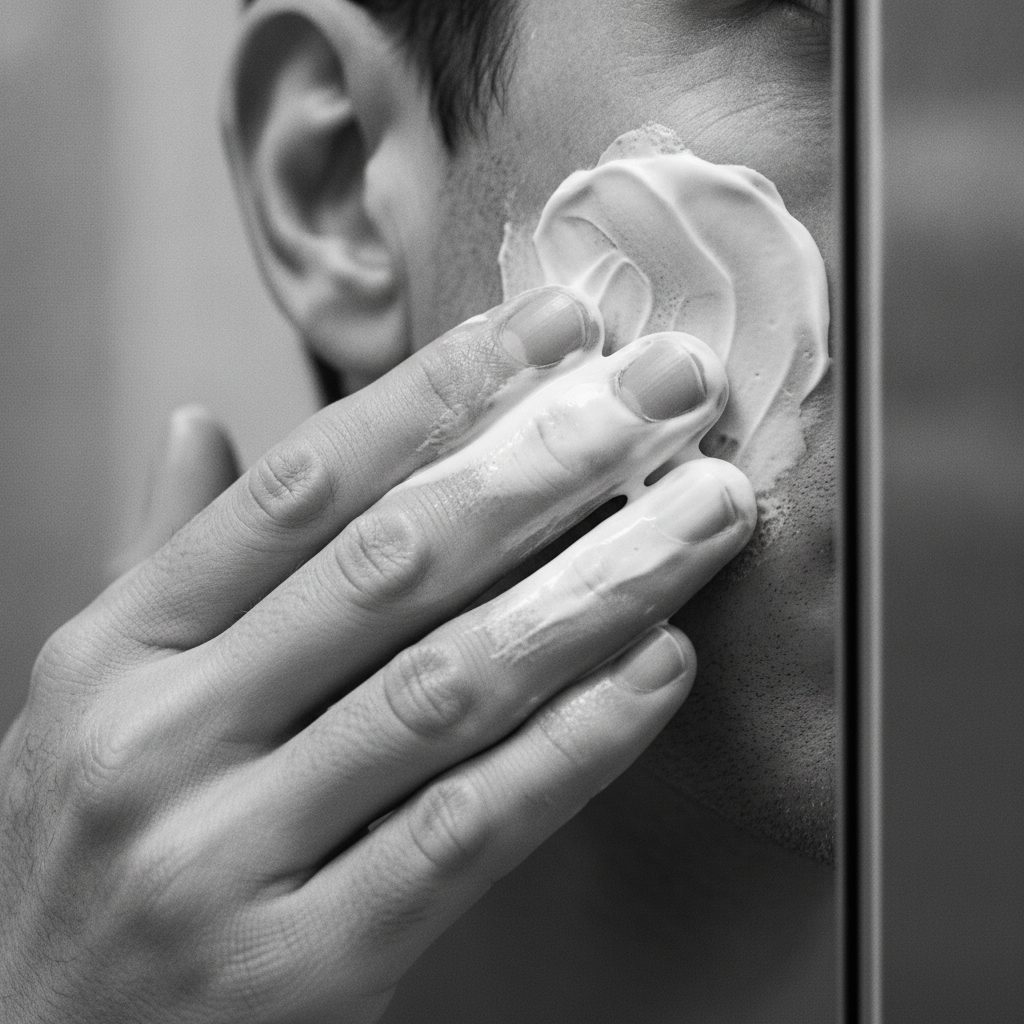
Post-shave application: Shaving compromises the skin barrier by removing a layer of stratum corneum alongside hair. CeraVe Moisturizing Cream accelerates barrier recovery and reduces post-shave irritation, tightness and redness. Apply to clean, slightly damp skin immediately post-shave.
Eczema and sensitive skin: National Eczema Association (NEA) accepted seal. Fragrance-free, dye-free, paraben-free. Safe for compromised skin barriers.
Post-procedure skin: Recommended by dermatologists following chemical peels, laser treatments and microneedling as the ideal barrier-restoration moisturizer.
Not ideal for: Oily skin (the texture may feel heavy) or combination skin in warm climates. For those skin types, the CeraVe PM Facial Moisturizing Lotion or AM SPF 30 Lotion provide lighter formulation options.
Value Analysis
The 16 oz tub at approximately $18 represents around $1.13 per ounce. The nearest pharmacist-recommended competitors — Eucerin Original Healing Cream, Vanicream Moisturizing Cream — offer similar ceramide-forward formulations at comparable pricing. Where CeraVe differentiates is the MVE delivery system, the three-ceramide combination and the cholesterol inclusion — none of which are present in competitors at this price.
Premium ceramide moisturizers from Elizabeth Arden, La Mer or SkinCeuticals retail for $80–$350 for comparable volumes. Independent testing by consumer labs and dermatology publications has consistently failed to demonstrate clinically meaningful superiority over CeraVe Moisturizing Cream in skin hydration outcomes.
Verdict
CeraVe Moisturizing Cream is not a marketing product. It is an engineered solution to a clinical problem — ceramide depletion and compromised barrier function — delivered via a patented sustained-release technology at a price that makes every luxury alternative look like expensive theatre. For dry skin, post-shave recovery, sensitive skin and barrier restoration, it is the correct answer. There is no compelling reason to spend more.
For the full CeraVe lineup comparison, see our complete CeraVe product review 2026. For the men's skincare routine that incorporates this product, see our CeraVe for men 2026 guide.