Dior Sauvage Review 2026 — One of the World's Best-Selling Fragrances, Explained
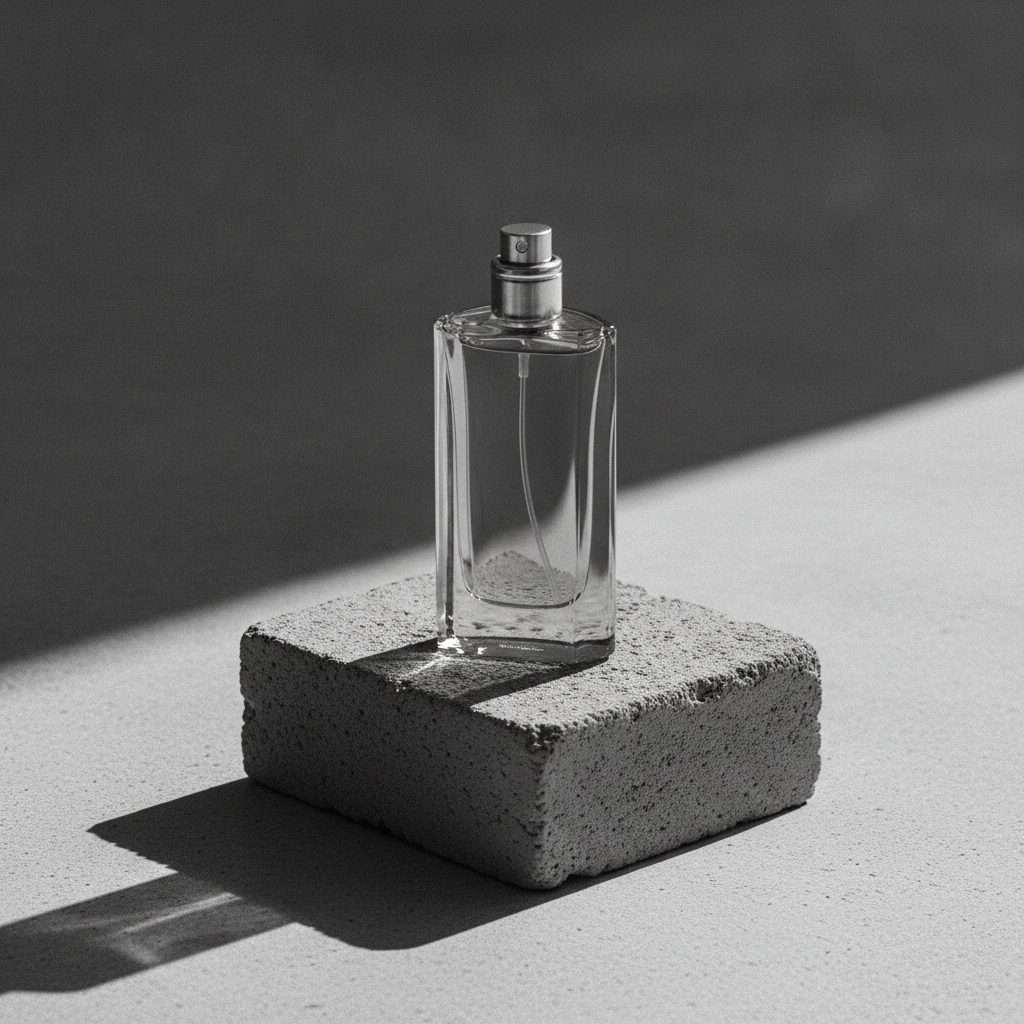
Dior Sauvage is the fragrance that broke sales records and split fragrance communities. It is polarizing by design — loud, linear, and built around a single synthetic molecule that either smells like skin or smells like a department store, depending on your chemistry.
The EDP is the version to own. More rounded than the EDT, better sillage, and the lavender-and-vanilla backbone gives it actual dimension. The parfum is a masterclass in restraint.
Best worn fall through spring. Works in nearly every social context except the confined and the intimate.
Shop Dior Sauvage EDP →What Is Dior Sauvage?
Dior Sauvage launched in August 2015. It was composed by François Demachy, Dior's in-house perfumer, and positioned as a desert-wind fragrance — raw, open, elemental. The campaign image was Mojave dust at sunset. The brief was space, not intimacy.
Within a few years it was widely reported as the world's top-selling men's fragrance, and it remains one of the most-purchased men's scents globally, alongside Chanel Bleu, Versace Eros and Armani Acqua di Giò — all of which are themselves enormous sellers.
The line has expanded significantly since the original EDT. The EDP arrived in 2018 with a reworked structure around lavender, spices and Papua New Guinea vanilla, deepening the profile considerably. The Parfum followed in 2019, pushing into amber and sandalwood territory and abandoning most of the sharp minerality of the original. There are also flankers — Sauvage Elixir, Sauvage Very Cool Spray, Sauvage Cologne — but for this review we focus on the three core concentrations.
Why did it succeed so completely? Several reasons converge. The ambroxan-forward DNA hits something close to a universal male skin-scent ideal. It is neither obviously sweet nor aggressively sporty. It reads as expensive without being difficult. And Dior's marketing machine — backed by Johnny Depp campaigns and airport domination — ensured near-universal recognition before most buyers had even smelled it. Recognition drives trial. Trial, in Sauvage's case, often drives purchase.
Note Breakdown
Demachy built each concentration as a distinct composition rather than a simple dilution of the same accord. The note pyramids below reflect the official Dior communication alongside what actually registers on skin through the wear arc.
| Concentration | Top Notes | Heart Notes | Base Notes |
|---|---|---|---|
| EDT | Calabrian bergamot, pepper | Geranium, Sichuan pepper, lavender | Ambroxan, cedar, labdanum |
| EDP | Bergamot, Sichuan pepper | Lavender, star anise, nutmeg | Ambroxan, Papua New Guinea vanilla |
| Parfum | Bergamot, mandarin, ginger | Sandalwood, rosemary | Amber, labdanum, tonka bean |
Hour-by-Hour Wear — EDP
Based on Dior's published notes and consistent owner reports, this is what you can expect from the EDP.
The bergamot-pepper blast
The opening is sharp and luminous. Calabrian bergamot — the same variety used in Earl Gray tea — delivers a clean citric charge that reads as almost aquatic in its brightness. Sichuan pepper adds a slight numbing tingle that you feel as much as smell. It's a confident, linear opening that doesn't try to surprise you. If you've worn the EDT first, the EDP's opening will seem fractionally warmer and less mineral. The pepper here is rounder, less metallic.
Lavender takes the wheel
This is where the EDP distinguishes itself most clearly from the EDT. A lavender accord rises — not the soapy, overripe lavender of cheaper fougères but a more angular, almost herbal variety that lends a slight medicinal edge. Star anise and nutmeg sit underneath, adding a warm spice that prevents the lavender from going flat. The ambroxan is already detectable at this stage, working beneath the floral heart like an undertow. Projection is at its maximum here — this is the phase where compliments happen, where people across a room notice something before they can name it.
Vanilla and spice, the long middle
The dry-down is where the EDP earns its premium price. Papua New Guinea vanilla — which Dior says is extracted with a method that preserves its full aromatic power — softens the ambroxan into an ambery-woody base with warm, slightly oriental accents. The overall effect is a kind of clean, dry warmth: not sweet in the gourmand sense, just settled and composed. This is also the phase where the fragrance becomes most intimate — sillage contracts, and what remains is more personal, closer to the skin.
Ambroxan at full dominance
By hour six the lavender and citrus are long gone. What remains is almost entirely ambroxan with a trace of vanilla. The base is linear and persistent — on some skin types it will still be faintly detectable on clothing 24 hours later. This longevity is one of Sauvage's most commercially appealing traits, and it's entirely due to ambroxan's unusual tenacity and skin-bonding behavior.
EDT vs EDP vs Parfum
These are not the same fragrance at different strengths. They are three distinct compositions that share DNA but diverge in personality, seasonality, and use context. Choose deliberately.
| Factor | EDT | EDP | Parfum |
|---|---|---|---|
| Price (100ml / 3.4 oz) | Check price | ~$131 (Amazon) | Check price |
| Typical concentration | ~12–15% | ~18–22% | ~25–30%+ |
| Projection | High, linear | Very high, evolving | Moderate, intimate |
| Longevity | 6–8 hours | 8–12 hours | 10–14 hours |
| Season | Spring / Summer | Fall / Winter | Fall / Winter |
| Best For | Daily wear, warm weather, casual use | Office, dates, cooler months | Special occasions, evening |
The Ambroxan Question
To understand Dior Sauvage — to understand why it smells the way it smells, why it lasts as long as it does, and why people either love it or find it aggressively generic — you need to understand ambroxan.
Ambroxan is a synthetic aroma molecule derived from ambergris — the waxy, oxidized secretion of sperm whales that was historically one of the most prized fixatives in fine perfumery. Real ambergris smells oceanic, animalic, and deeply complex in ways that are almost impossible to describe without experiencing. Its trade is restricted in some markets, including the United States, because of protections for sperm whales.
Ambroxan — developed by Firmenich and also sold as Ambroxide — captures a portion of ambergris's character: specifically, the warm, skin-fusing, musky-mineral quality that makes ambergris such an effective fixative. What it does not replicate is the full animalic complexity. What it does have that real ambergris does not is consistency, sustainability, and a chemical property that makes it exceptionally interesting to perfumers.
Ambroxan is also prone to olfactory fatigue: many wearers stop noticing it on themselves after a while, while people around them still smell it clearly. This is why Sauvage wearers often ask for reassurance that the fragrance is still present hours into a wear — it almost certainly is.
This "skin scent" phenomenon — where the fragrance seems to merge with your own natural odor rather than sitting on top of it — is one of the most commercially valuable properties any aroma molecule can have. It explains the compliment trap: Sauvage wearers receive an unusual number of compliments from people who often struggle to name what they're smelling. It smells like the wearer, but a better, more deliberate version.
The downside is that ambroxan-heavy fragrances have proliferated to the point of cultural saturation. After Sauvage's success, virtually every major house introduced a fragrance using ambroxan as a load-bearing molecule. This is why many fragrance enthusiasts dismiss Sauvage as generic: not because it is poorly made, but because it was so successful that it fundamentally altered the commercial fragrance landscape in its own image.
For the broader chemistry of why ambroxan-heavy fragrances outlast the field — and which concentrations and compositions perform best — see our guide to how cologne actually works.
Who Should Buy Sauvage
- + You want one versatile, crowd-pleasing fragrance that works in nearly any context
- + You value longevity and sillage — you don't want to reapply throughout the day
- + You're new to fragrance and want something immediately wearable with a high floor
- + You spend time in social or professional environments where recognition creates positive associations
- + You prefer cooler, fresher, non-sweet masculine fragrances
- – Originality matters to you — Sauvage is ubiquitous and that fact will follow you
- – You wear fragrance in enclosed or intimate settings — Sauvage's projection can be oppressive in small rooms
- – You're sensitive to synthetic musks — some people find ambroxan-heavy scents headache-inducing
- – You want complexity and evolution — Sauvage is intentionally linear and settles into a single statement quickly
- – Summer heat is your primary context — the EDT struggles in very high temperatures and can turn sharp
Links below are affiliate links. If you purchase through them, Blade Concept earns a commission at no additional cost to you. This does not affect our editorial assessments. Rankings are based on specification analysis, not hands-on testing — how we evaluate. Prices last checked on Amazon on Sep 27, 2026 and rounded to the nearest dollar; they change often, so the button shows today's price. Our link is for the 3.4 oz Eau de Parfum sold by Amazon, at around $131; it was listed with a short shipping lead time when we checked.
Shop Dior Sauvage EDP on Amazon →