Why The Ordinary Changed Skincare
Deciem launched The Ordinary in 2013 with a premise that everyone in the industry understood but nobody dared say out loud: the active ingredients in a $120 serum and a $12 serum are often identical. The markup was paying for the bottle, the campaign, the celebrity, the distribution margin, and the retail floor space. Not the formula.
The Ordinary's solution was radical transparency. Every product is named after its active ingredient and concentration — not a trademarked fantasy word. Niacinamide 10% + Zinc 1% is exactly what it says. The bottle costs around $5 on Amazon. Few prestige products contain more of the same actives, and none for anything like the price.
For men specifically, this model is ideal. The cultural barrier to skincare for men has never really been about reluctance — it has been about the perception that skincare is an expensive, confusing, brand-driven category that requires expertise to navigate. The Ordinary removes both friction points. The naming convention teaches you the science as you shop. The price makes experimentation low-stakes. And because the formulas are fragrance-free and functional, there is nothing performative about buying them.
Male skin also has specific physiological characteristics that make certain The Ordinary products particularly effective. Men's skin is on average 25% thicker than women's, has higher sebum output due to androgen activity, and is subject to chronic micro-trauma from daily shaving. Niacinamide addresses the sebum issue directly at the cellular level. Hyaluronic Acid compensates for the dehydration caused by regular razor passes. Retinol handles the long-term structural collagen maintenance that thicker skin still requires as it ages. The Ordinary covers all three for about $23 combined.
The 6 Best The Ordinary Products for Men
Niacinamide 10% + Zinc 1%
If you only buy one The Ordinary product, this is it. Niacinamide — vitamin B3 — is the most versatile active in modern skincare, and at 10% concentration it is doing real work rather than the 2–4% amounts found in most blended moisturizers. For men with oily skin, visible pores, or breakout-prone zones, the mechanism of action is specific: niacinamide inhibits the transfer of melanosomes in keratinocytes and directly suppresses sebaceous gland activity, reducing both the rate of sebum secretion and the size of existing follicular openings over time. Results typically visible at 4–8 weeks of consistent twice-daily use.
The zinc (as zinc PCA) is not a marketing flourish either: The Ordinary says the formula helps control oil in three days, and its clinical testing showed smaller-looking pores after four weeks. In laboratory studies, zinc has also shown some ability to inhibit 5-alpha reductase, the enzyme that converts testosterone to DHT — the androgen most directly linked to sebum production. That combination makes this one of the few inexpensive formulas that targets male oiliness from two angles.
The serum texture is thin, absorbs quickly, and layers without pilling. It is genuinely suitable for AM and PM application. Apply to clean skin before heavier serums or moisturizer.
Hyaluronic Acid 2% + B5
Hyaluronic acid is the most effective hydration ingredient in dermatological use — a single gram can hold up to six liters of water — but the efficacy question has always been molecular weight. Most formulas use a single high-molecular-weight HA that sits on the skin's surface and cannot penetrate the stratum corneum. The current formula uses five types of hyaluronic acid at different molecular weights: the largest forms a film on the skin surface to reduce transepidermal water loss, while smaller forms hydrate the upper layers of the skin. It now also contains ceramides to support the skin barrier.
The addition of panthenol (B5) amplifies the barrier-repair function. Panthenol is a provitamin that converts to pantothenic acid in the skin, accelerating keratinocyte proliferation and supporting wound healing — which matters for men because daily shaving is a controlled form of skin stress. Applied after shaving and before moisturizer, this serum helps reduce post-shave tightness.
Critical application note: apply to damp skin. HA works by drawing water, and if the skin surface is completely dry it will draw moisture from the dermis upward and outward, potentially increasing dryness. Mist your face with water or apply immediately after washing before patting fully dry.
AHA 30% + BHA 2% Peeling Solution
The most aggressive product in The Ordinary lineup and the most misused. Used correctly — once or maximum twice per week on non-shaving evenings — it is the fastest route to noticeably clearer, smoother skin texture available at any price point. The formula combines glycolic acid (AHA, targets the skin surface) and lactic acid (AHA, slightly larger molecule than glycolic so gentler penetration) at a combined 30% concentration with 2% salicylic acid (BHA, oil-soluble so it clears inside the pore rather than just the surface).
The pH of 3.5–3.7 is what makes this genuinely effective — AHAs require an acidic environment to break the bonds between dead skin cells — and also what makes it hazardous if misused. Do not combine with retinol in the same session. Do not apply after shaving. Do not exceed 10 minutes. The visual effect (the product is dark red and produces a tingling sensation) is dramatic enough that many men overuse it — resist this. Weekly use produces cumulative improvement; daily use destroys the barrier.
For men dealing with ingrown hairs on the neck or jawline, the BHA 2% component is particularly useful — salicylic acid's ability to penetrate the follicle makes it the standard dermatological recommendation for this specific issue. Apply the solution to dry skin, leave 5–10 minutes, rinse thoroughly with water. Always follow with an SPF the next morning.
Retinol 0.5% in Squalane
Retinoids are the most clinically validated anti-aging ingredients available — a consensus backed by decades of randomized controlled trials — and retinol is the over-the-counter member of the family. It works by binding to retinoic acid receptors in the dermis, upregulating collagen type I synthesis, accelerating cellular turnover, and reducing the appearance of fine lines, pigmentation, and skin roughness. Nothing else at this price point comes close.
The Ordinary positions 0.5% as an intermediate strength, for skin that already tolerates a lower-strength retinol — complete beginners may prefer to start with its 0.2%. It is strong enough to produce visible effects within 8–12 weeks. The carrier here is squalane rather than a water or silicone base. Squalane — a hydrocarbon typically derived from sugarcane in modern skincare — is itself a skin-identical emollient with an extremely low comedogenicity rating. It stabilizes the retinol molecule and buffers the initial skin response, making this formula significantly gentler than equivalent water-based retinol products at the same percentage.
Start on every third evening. After two weeks with no significant peeling or irritation, move to every other night. After another two weeks, nightly use if tolerated. PM only, always, and The Ordinary recommends refrigerating it after opening. Always follow with broad-spectrum SPF in the morning — retinol increases photosensitivity by accelerating cellular turnover, leaving fresh, less UV-hardened cells exposed.
Ascorbyl Glucoside Solution 12%
The Ordinary's vitamin C lineup is one of the most confusing product categories in the skincare market, and the confusion is technically justified — different vitamin C derivatives have genuinely different stability, bioavailability, and efficacy profiles. The gold standard is L-ascorbic acid, which delivers the highest direct antioxidant and brightening potency but oxidizes rapidly on contact with air, light, and skin pH, turning orange and losing efficacy within months of opening. For men who use a product slowly or travel frequently, this degradation is a practical problem.
Ascorbyl glucoside is a stabilized vitamin C ester — glucose is bonded to the ascorbic acid molecule, protecting it from oxidation. The skin's own glucosidase enzymes cleave the glucose group on contact, releasing active ascorbic acid in situ. The conversion is not 100% efficient, which is why 12% ascorbyl glucoside does not deliver exactly the same potency as a 12% L-ascorbic acid formula — but for a beginner, this is actually appropriate. The gentler delivery profile means fewer stinging reactions and a more forgiving pH tolerance.
The Ordinary positions it for brightening — including the brown marks left by healed breakouts — and antioxidant protection when layered under SPF; it is less potent than pure L-ascorbic acid but far more stable. Apply in the morning after niacinamide and before SPF.
Caffeine Solution 5% + EGCG
Under-eye puffiness in men is almost always the result of fluid accumulation in the periorbital fat compartments, exacerbated by poor sleep, alcohol, sodium, and the fact that the skin in this region is approximately 0.5mm thick compared to 2mm elsewhere on the face. Topical caffeine addresses this through vasoconstriction — it temporarily narrows the small blood vessels under the eye that allow plasma to leak into surrounding tissue, reducing the hydraulic pressure driving puffiness.
At 5%, this is among the highest caffeine concentrations available in any topical product without prescription. EGCG — epigallocatechin gallate, the primary bioactive polyphenol in green tea extract — adds a secondary antioxidant mechanism that protects the delicate periorbital skin from UV-triggered oxidative damage, which is the main driver of the discoloration component of dark circles (distinct from vascular dark circles, which are caused by the blood vessels themselves showing through thin skin).
Apply a minimal amount — two to three drops — to the orbital bone below and around the eye each morning. Do not drag or pull the skin. The vasoconstriction effect is transient and begins within 10–15 minutes; consistent daily use over 4–6 weeks shows cumulative improvement in both puffiness and the oxidative dark circle component.
Complete 2-Routine Build
Layering order matters more than any individual product. Thinnest to thickest, lowest pH first. Both routines assume you have a fragrance-free cleanser and a broad-spectrum SPF 50 already in place.
Ingredient Layering Rules
These are not suggestions — they are the conflicts that produce either chemical irritation or neutralized actives. Breaking these rules wastes product and damages your barrier.
| Product | Do Not Layer With | Why |
|---|---|---|
| Retinol 0.5% | AHA/BHA Peel, Vitamin C | The Ordinary advises against combining them in one routine; stacking acids or vitamin C with a retinoid raises irritation risk |
| AHA 30% + BHA 2% Peel | Retinol, Niacinamide (same session) | pH 3.5–3.7 conflicts with retinol; niacinamide applied over an acid peel before rinsing can reduce peel efficacy and increase irritation risk |
| Niacinamide 10% | Pure Vitamin C (L-ascorbic acid) | The Ordinary advises keeping them in separate routines; the old flushing concern is largely outdated, and it does not apply to derivatives like ascorbyl glucoside |
| Hyaluronic Acid 2% + B5 | Nothing — universally compatible | — |
What The Ordinary Doesn't Do Well
The Ordinary's transparency cuts both ways. The same directness that makes the brand trustworthy also means their limitations are visible in ways a traditional brand would obscure.
The Ordinary's cleansers — its Squalane Cleanser and Glucoside Foaming Cleanser — are a small part of the range, and most men will be better served by a dedicated fragrance-free face wash such as CeraVe Foaming Cleanser or La Roche-Posay Toleriane. It is not the brand's strength.
Fragrance-free is the right call for skin health, but several formulas — particularly the Retinol 0.5% in Squalane and the AHA/BHA Peeling Solution — have a clinical, slightly metallic smell that some men find off-putting. It fades within minutes and does not linger, but the initial application is not pleasant.
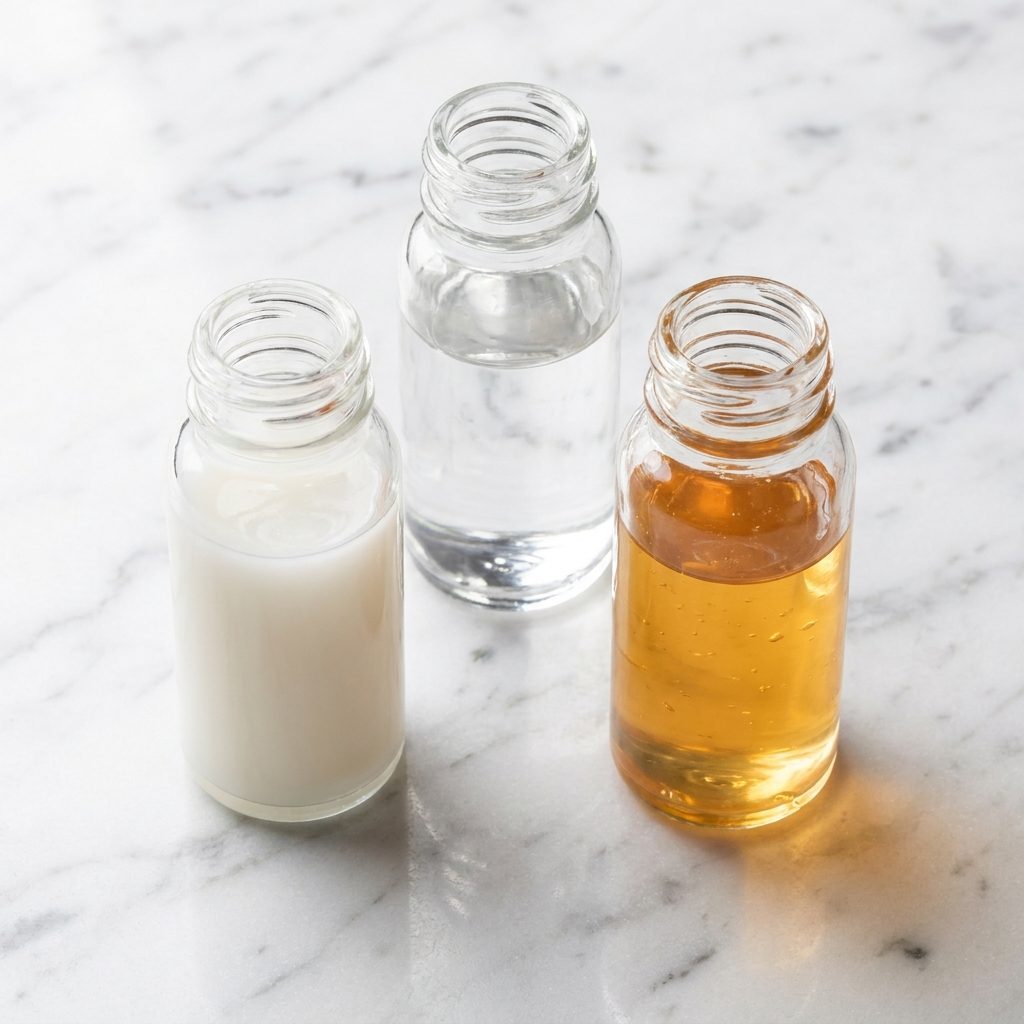
Most The Ordinary serums use glass dropper bottles. These are fine at home but genuinely problematic for travel — they leak under pressure changes and the glass breaks. The 100ml packaging used by some products also sits right at the 100ml airline carry-on limit. A consistent criticism, and one that has not been addressed across multiple packaging revisions.
Several formulas, particularly the HA 2% + B5 and Niacinamide 10%, pill when layered over or under certain moisturizers. It is a common texture clash between water-based serums and some silicone-based moisturizers. The fix is to wait 90 seconds between layers and use a non-silicone moisturizer — but men who shave and layer quickly will hit this problem.
None of these are dealbreakers. The formulas work, the price holds, and the transparency remains the clearest signal of product confidence in the category. But these limitations are real, and you should know them before building a routine around the brand.
The Same Actives at Prestige Prices
The active ingredient in a serum is almost never the reason for the price difference. The table lists The Ordinary's Amazon prices; where we could check a comparable prestige product on Amazon, we list that too (— means we did not price a direct equivalent).
| Active | The Ordinary | Kiehl's | Paula's Choice | La Roche-Posay |
|---|---|---|---|---|
| Niacinamide 10% | $5 | — | $59 (20%) | — |
| Hyaluronic Acid | $10 | — | — | $40 (Hyalu B5) |
| Retinol 0.5% | $8 | — | — | — |
| AHA Exfoliant | $10 | — | — | Not offered |
Where we could price a comparable prestige product, it cost four times as much or more. The prestige products often add additional actives, better sensory textures, or more elegant packaging — but not necessarily stronger formulas.