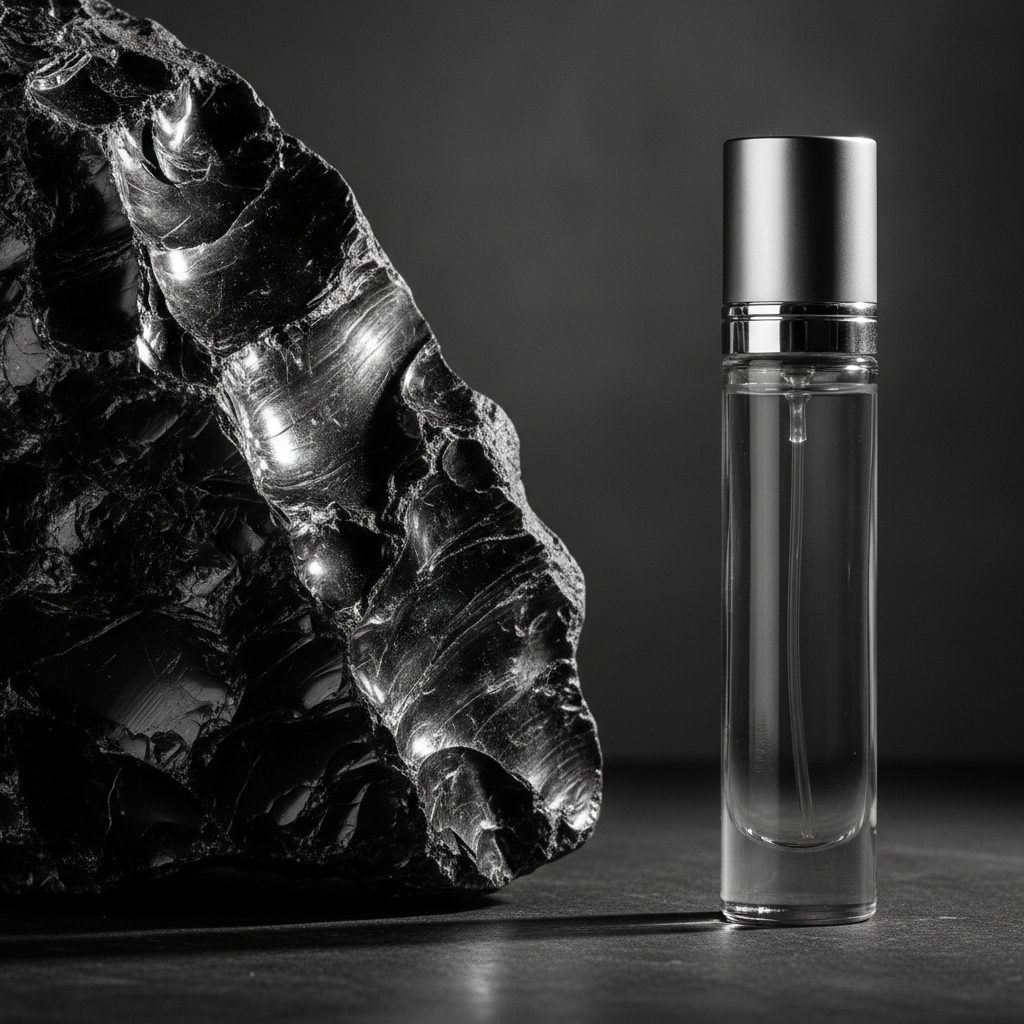
Launched in 2007 by Tom Ford and perfumer Richard Herpin, Oud Wood was one of the first Western fragrances to make oud — the resinous heartwood of the Aquilaria tree — accessible to a mainstream luxury audience. Nearly two decades later, it remains the standard against which every oud-based masculine fragrance is measured. The question in 2026 is whether it still justifies a luxury price in a market that has caught up significantly. The honest answer is yes — but only if you understand exactly what you're buying.
Tom Ford Oud Wood remains a masterclass in restraint. It is not a projection beast, not a crowd-pleaser in the Tobacco Vanille sense, and not the most dramatic oud available. It is the most wearable, most versatile, and most compositionally complete oud fragrance for men at any price. Worth the money if it suits you.
0–30 minutes: The opening is immediate and composed — no jarring citrus burst, no aggressive opening notes. Oud and rosewood arrive simultaneously, the oud slightly smoky and animalic, the rosewood adding a soft, almost powdery wood character. Cardamom sits in the background as a spiced accent rather than a dominant presence. This is a rare opening that requires no patience.
30 minutes–2 hours: The heart begins to emerge. Sandalwood — a rich, creamy Australian or Sri Lankan character rather than synthetic Amyris — deepens the wood profile significantly. Vetiver adds an earthy, slightly grassy quality that prevents the sandalwood from going saccharine. The oud never fully retreats; it remains a consistent thread through the heart phase, anchoring the composition.
2–6 hours: The dry-down is where Oud Wood earns its reputation. Amber and tonka bean arrive as warm, resinous undertones — not sweet in the way gourmands are sweet, but warming in the way that a good whisky is warming. The overall character in this phase is clean, rich, intimate. Projection has dropped to a close-to-skin presence.
6–14 hours: Oud Wood's longevity is its most impressive technical achievement. Owners commonly report a faint, warm wood-amber signature on skin for 10 hours or more — not detectable from distance, but unmistakably present on the wrist and collar.
Oud Wood is a moderate projector and this is a deliberate compositional decision, not a flaw. The first two hours produce a 1 to 2 metre sillage — detectable by those near you without announcing your presence. After that it becomes a close-to-skin scent. Men who want a fragrance that fills rooms and precedes them into meetings should look at Tobacco Vanille instead. Men who want a fragrance that creates an olfactory aura around them without dominating their environment — the scent equivalent of a perfectly fitted suit — will find nothing better than Oud Wood.
Oud Wood is unusually consistent across skin types, which is rare for an oud-based fragrance. Oud as an ingredient is highly reactive to skin pH — on acidic skin it can read sharp and medicinal, on alkaline skin it can disappear. Tom Ford's formulation buffers this reactivity through the sandalwood and amber base, which create a relatively neutral chemical environment for the oud to perform within. The fragrance smells noticeably similar on dry skin and oily skin, on warm skin and cool skin. This consistency is part of why it became a global bestseller — it behaves predictably across a diverse customer base.
The fragrance market has changed significantly since 2007. Oud is no longer exotic — Armani, Dior, and every niche house produces oud fragrances, many at half the price. Does this make Oud Wood overpriced?
Not if you wear it. A 30ml bottle yields a few hundred sprays, so at two sprays a day it lasts several months, and the per-wear cost is lower than the sticker suggests. Our Amazon link is for the 30ml Eau de Parfum at around $130, sold by a third-party seller (Turbo One) rather than Tom Ford or Amazon — larger bottles were only available in limited stock from resellers when we checked. As with any fragrance bought from a reseller, check the seller's ratings and the batch code on arrival. You are paying for a composition that remains a benchmark, not just for branding.
What you are not paying for is novelty. If you want something surprising, provocative, or boundary-pushing, the niche market has overtaken Tom Ford on those metrics. If you want the finest, most versatile, most compositionally complete oud fragrance available in a format you can wear anywhere, Oud Wood remains the definitive answer.