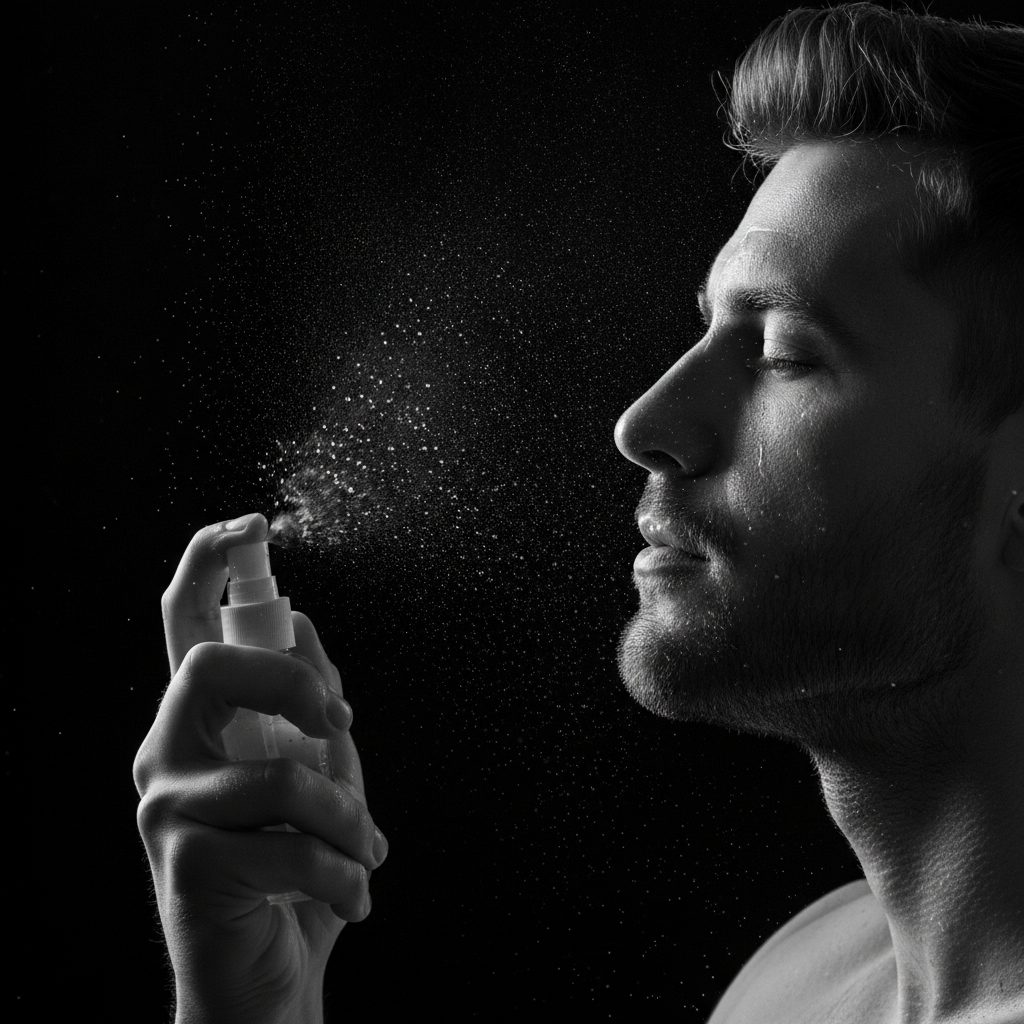
Toner is the most misunderstood step in men's skincare — and the most transformative when you get it right. Modern toners are not the harsh astringents that burned skin a generation ago: today the category splits into hydrating, exfoliating, and barrier-supporting formulas, each solving a distinct problem. We ranked the five best face toners of 2026 by active ingredient quality, pH calibration, and real-world compatibility with men's skin and shaving routines.
Thayers Witch Hazel is the most versatile entry point in face toning for men, and its post-shave utility specifically makes it a staple. Witch hazel is a natural astringent derived from the Hamamelis virginiana plant — its tannin content tightens pores and temporarily reduces their visible diameter, while its polyphenol compounds act as mild anti-inflammatory agents that calm the redness and micro-irritation that razor friction creates. Critically, Thayers uses an alcohol-free extraction method, which preserves the beneficial tannins without the skin-stripping effect of ethanol that made older witch hazel products notorious for causing dryness. Aloe vera gel makes up a significant portion of the formula and adds a genuine soothing action — not as a filler ingredient but at a concentration that measurably improves skin comfort within minutes of application. At $12 for a 12oz bottle, the cost per use is lower than almost any other toner on this list.
Paula's Choice 2% BHA Liquid is the benchmark exfoliating toner and the product most consistently recommended by dermatologists for men with oily, acne-prone, or congestion-prone skin. Salicylic acid at 2% is the FDA-recognized maximum concentration for over-the-counter acne treatment — and the key property that distinguishes BHA from AHA exfoliants is its oil-solubility. Because salicylic acid dissolves in sebum, it can penetrate through the lipid layer that lines the inside of hair follicles, clearing the oxidized sebum and dead skin debris (comedones) that form blackheads from within the pore rather than just from the surface. The formula's pH is calibrated to 3.2–3.8, which is the narrow range where salicylic acid is most biochemically active — outside this range the exfoliation rate drops significantly. The result, used every 2–3 days on congested skin, is measurably clearer pores and significantly reduced blackhead visibility within 4–6 weeks.
Glycolic acid at 7% is the strongest over-the-counter AHA exfoliant widely available, and The Ordinary's toning solution delivers it at a price that makes regular use financially trivial. Glycolic acid is an alpha-hydroxy acid derived from sugarcane with the smallest molecular weight of any AHA — meaning it penetrates the stratum corneum more efficiently than lactic acid, mandelic acid, or other AHA variants. It works by dissolving the ionic bonds between dead skin cells, accelerating cellular turnover and revealing fresher, smoother skin underneath. Unlike BHA, it is water-soluble and works primarily on the skin surface rather than inside follicles, making it the better choice for uneven texture, dullness, and hyperpigmentation rather than active congestion. The formula includes amino acids and botanical extracts to partially offset the potential irritation of 7% glycolic, but this is not a beginner product — start with once-weekly use and build tolerance over 4–6 weeks before increasing frequency.
If razor burn, rosacea, or persistent post-shave redness is your primary problem, no other toner in this list addresses it as precisely as the La Roche-Posay Toleriane range. The formula centres on niacinamide — vitamin B3 at a concentration sufficient to reduce the production of pro-inflammatory cytokines in the skin, visible as reduced redness within 2–4 weeks of consistent use. The thermal spring water base is not cosmetic water: it contains selenium and other trace minerals with documented antioxidant properties that neutralize the reactive oxygen species generated by shaving friction and UV exposure. The complete absence of fragrance, alcohol, parabens, and dyes makes this one of the cleanest formulas on the market — the ingredient list is minimalist by design, reflecting La Roche-Posay's approach of removing all potential irritants before adding any actives. For men with sensitized, reactive, or chronically red skin, this is the toner that will produce visible calming results without further disrupting the skin barrier.
Kiehl's Calendula toner occupies a distinct position in this list: it is the only genuinely non-astringent formula here, functioning primarily as a skin-prepping and soothing step rather than an exfoliant or barrier product. The calendula officinalis flower extract provides flavonoids and carotenoids that reduce inflammatory response and accelerate epithelial repair — which is why this formula works particularly well for dry and combination skin types that would find exfoliating toners too aggressive. Applied with a cotton pad, it physically removes any residual cleanser, hard water mineral deposits, and dead skin debris left after washing without any chemical exfoliation. This gentle mechanical prep means serums and moisturizers applied after it absorb significantly more evenly. The formula also contains allantoin, which promotes skin cell proliferation and is used clinically for minor wound repair — making it a quiet but effective choice for skin recovery after nicks or irritation.
The toner category is broader than any other step in skincare, and the confusion around it stems from the fact that the word "toner" has been used to describe three entirely different product types across the last 40 years. Understanding which type you need — and why — is more important than any specific product recommendation.
Hydrating toners (also called essences or skin boosters) add moisture back to skin immediately after cleansing. They contain humectants like hyaluronic acid, glycerin, or aloe vera that draw water into the skin's upper layers. They have no exfoliating or astringent function and are suitable for daily use on any skin type, including sensitive. Apply with hands patted onto skin, not a cotton pad, to preserve the moisture delivery.
Exfoliating toners use chemical exfoliants — AHAs (glycolic, lactic) or BHAs (salicylic acid) — to accelerate the skin's natural cell turnover rate. They should be used on a frequency schedule based on concentration, not daily. They increase skin's photosensitivity and must always be followed by SPF in daytime routines. Do not use on freshly shaved skin — the compromised barrier will absorb the acid unevenly and can cause significant irritation.
Astringent toners use compounds — traditionally alcohol, witch hazel, or alum — to physically contract pores and reduce surface oiliness. Old-school drugstore astringents used high-concentration alcohol (up to 60%) which stripped the skin's lipid barrier entirely, causing a rebound oil surge as sebaceous glands overcompensated. Modern alcohol-free astringents like Thayers achieve the pore-tightening effect through tannins without the barrier damage.
The skin barrier — the stratum corneum's lipid matrix — is composed primarily of ceramides, fatty acids, and cholesterol arranged in a precise lamellar structure. Ethanol at concentrations above 10% solubilizes this lipid matrix, disrupting the barrier's physical architecture. A compromised barrier allows transepidermal water loss to accelerate, allows irritants and allergens to penetrate more easily, and triggers keratinocytes to increase sebum production as a compensatory response. The paradox is that applying an alcohol toner to control oil reliably causes more oil production within 2–4 hours — the exact opposite of the intended effect. Any toner containing denat. alcohol, SD alcohol, or isopropyl alcohol high in the ingredients list should be avoided entirely.
Shaving creates micro-abrasions across the skin surface that temporarily compromise the barrier and increase TEWL. The post-shave window — approximately 15–30 minutes after shaving — is when skin is most receptive to topical ingredients because barrier permeability is elevated. The correct product for this window is a hydrating or soothing toner (Thayers, La Roche-Posay Toleriane), followed immediately by a serum and moisturizer to seal the barrier before it loses water. Never apply an exfoliating toner post-shave: the increased permeability means salicylic or glycolic acid will penetrate unevenly and at higher concentrations than intended, causing burning and potential barrier damage.
The BHA vs AHA decision comes down to where your skin problem lives. BHA (salicylic acid) is oil-soluble — it works inside pores, clearing blackheads and whiteheads, and is the correct choice for congested, oily, or acne-prone skin. AHA (glycolic, lactic) is water-soluble — it works on the skin surface, improving texture, reducing hyperpigmentation, and increasing cell turnover rate, making it the correct choice for dull, rough, or uneven skin without significant congestion. Using both simultaneously is generally too aggressive; if you want both effects, alternate: BHA on one evening session, AHA on another, with rest days in between and daily SPF mandatory throughout.
Both AHA and BHA exfoliants are only active within a specific pH range — approximately 3.0–4.0. Above pH 5, their exfoliating effectiveness drops to near zero, regardless of concentration. This is critical because many cleansers have alkaline pH values (6.5–8.0), and applying an exfoliating toner immediately after an alkaline cleanser without waiting 20–30 minutes means the product encounters a temporarily elevated skin pH and delivers significantly reduced results. The ideal protocol is: cleanse, wait 20 minutes, apply exfoliating toner. The pH also matters for subsequent steps — applying niacinamide immediately after a low-pH AHA can cause niacin flush in some skin types; wait a few minutes between applications or use them at separate routine times.
Oily and acne-prone skin: Paula's Choice BHA 2% used 3 times per week in the evening routine after cleansing. Follow with a lightweight niacinamide serum and non-comedogenic moisturizer. Daily morning SPF is mandatory — salicylic acid increases photosensitivity. Do not combine with retinol on the same evening without building significant tolerance first.
Sensitive and post-shave irritated skin: Thayers Witch Hazel (original, unscented) as a daily post-shave product, applied with a cotton pad in downward strokes with the grain of hair growth. Alternate with La Roche-Posay Toleriane on non-shaving days for the niacinamide anti-redness benefit.
Dry and combination skin: Kiehl's Calendula as a daily prep step before serum, or a hydrating essence applied with hands immediately after cleansing. Reserve exfoliating toners for once-weekly use maximum and always follow with a rich moisturizer rather than lightweight gel.
Dull and uneven texture skin: The Ordinary Glycolic Acid 7% once per week in the evening, building to twice weekly after 6 weeks of tolerance development. This is not a post-shave product. Apply 20 minutes after cleansing, leave for 10 minutes, follow with hyaluronic acid serum and a barrier-focused moisturizer.
The best face toner for most men who shave regularly is Thayers Witch Hazel — it is gentle enough for daily post-shave use, addresses redness and pore appearance, costs $12, and can be used indefinitely without risk. If congestion, blackheads, or acne are your primary concern, Paula's Choice BHA 2% is the product with the strongest clinical evidence behind it. If texture and dullness are the issue, The Ordinary Glycolic Acid 7% at $12 delivers results that products at four times the price rarely surpass. The pattern is clear: in toner, price does not predict performance. Understanding which type of toner your skin actually needs, and using it at the right frequency with appropriate SPF, will determine your results far more than which premium brand you select.