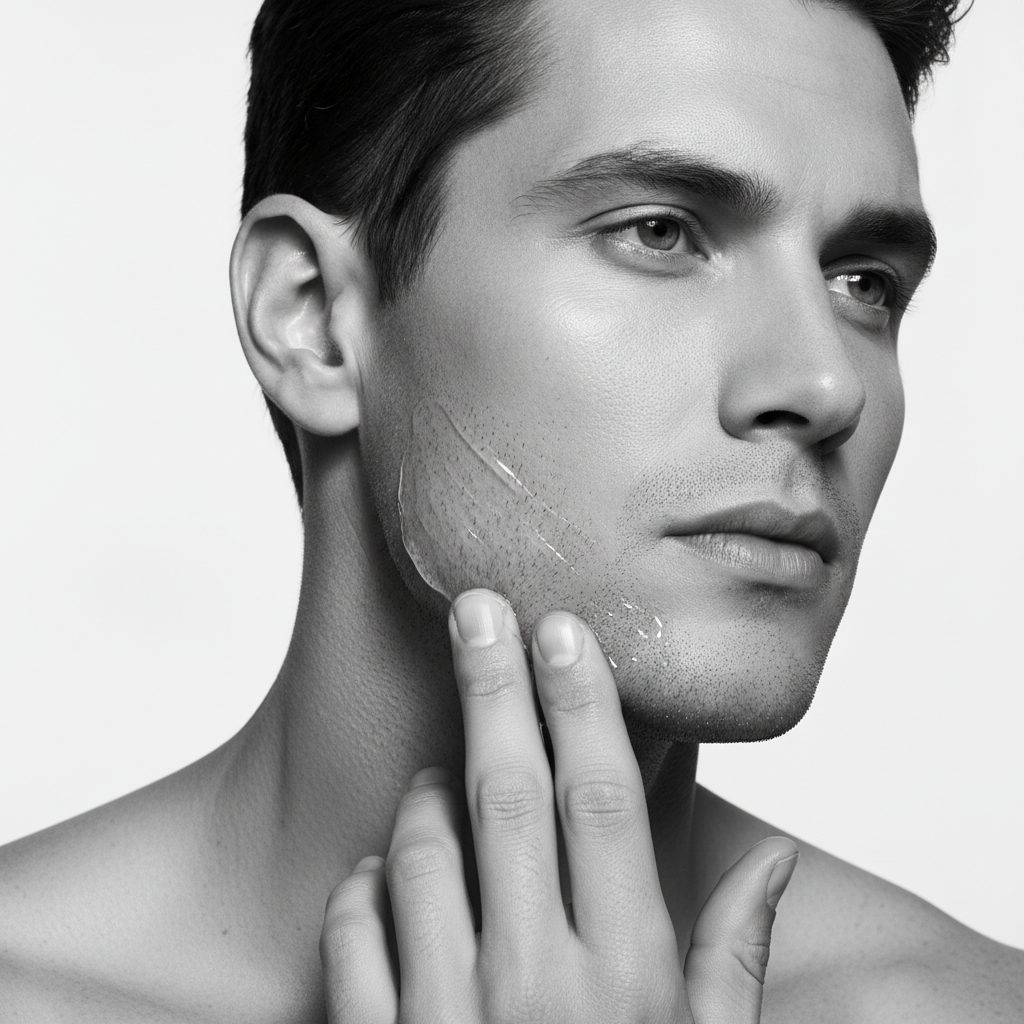
Male skin is biologically distinct from female skin in three measurable ways: it is approximately 25% thicker at the dermis level, produces 4× more sebum per unit area, and undergoes daily mechanical micro-trauma if shaving is part of the routine. Most men's skincare advice ignores all three of these factors. This routine doesn't.
Step 1 — Cleanser
Cleansing is surfactant science. Surfactants are amphiphilic molecules: one end binds to oil and dirt, the other binds to water. When you rinse, the water-loving ends pull the oil-loving ends (and whatever they've captured) away from your face.
The problem with most men's face washes is aggressive surfactants — specifically sodium lauryl sulfate (SLS). SLS is highly effective at removing oil, which sounds ideal for sebum-heavy male skin. But it also disrupts the acid mantle — the slightly acidic (pH 4.5–5.5) film that forms your skin's first line of defense against environmental damage and bacterial colonization.
For morning cleansing, a gentle non-SLS cleanser is sufficient — you're washing off overnight sebum production and any environmental particulates, not heavy pollution. Post-shave cleansing requires a more specific formulation: something that removes shaving product residue without further compromising an already mechanically-stressed barrier.
Step 2 — Serum (Optional but High-Impact)
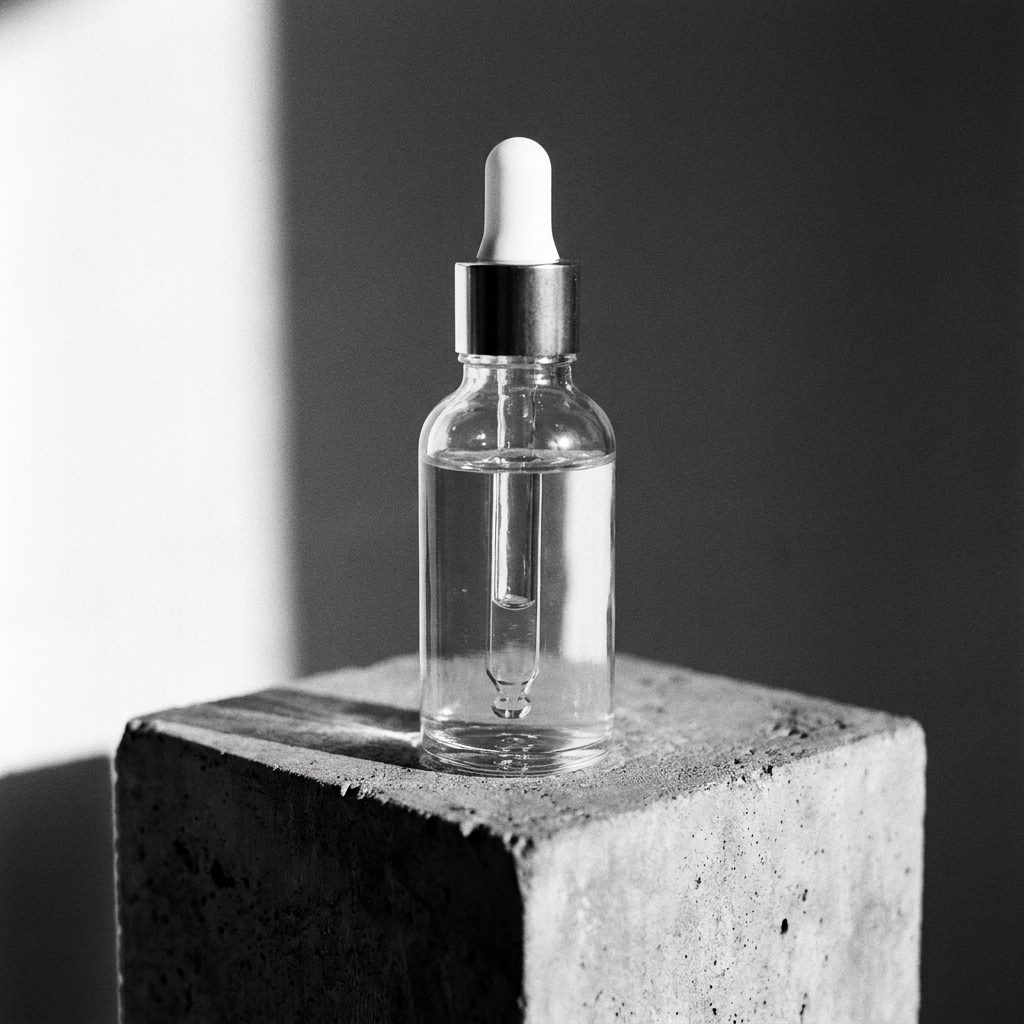
Serums are the most active layer of any skincare routine — small molecules designed to penetrate beyond the stratum corneum into the viable epidermis where they can create measurable biological change.
Niacinamide (Vitamin B3) is the most evidence-backed active for male skin. At a 4% concentration, it demonstrably reduces sebum production by regulating the sebaceous glands. It also reinforces the skin barrier, reduces the appearance of enlarged pores (a common concern for men with oily skin), and reduces the erythema associated with post-shave skin inflammation.
Retinol (Vitamin A) works by accelerating cell turnover and stimulating collagen synthesis. For men who shave daily, this has an additional benefit: freshly exfoliated skin heals more efficiently from shave-induced micro-cuts. Start at 0.1% concentration and increase gradually — retinol sensitivity is real, especially on recently shaved skin.
Vitamin C is an antioxidant that neutralizes free radicals generated by UV exposure and environmental pollution. For men who spend time outdoors, the oxidative damage accumulation on shaved skin (where the natural dead-cell barrier is perpetually thinner) is a genuine long-term skin health concern that topical antioxidants can meaningfully address.
Step 3 — Moisturizer
The primary function of a moisturizer is barrier repair and trans-epidermal water loss (TEWL) prevention. Post-shave skin loses moisture faster than unshaved skin because the mechanical exfoliation process has removed barrier-forming dead skin cells from the stratum corneum.
There are three types of moisturizing ingredients, each addressing TEWL through a different mechanism:
- Humectants (hyaluronic acid, glycerin) attract water molecules from the environment and the deeper epidermis into the skin surface.
- Emollients (squalane, jojoba oil, shea butter) soften and smooth the skin surface by filling the spaces between skin cells with lipid-like materials.
- Occlusives (petrolatum, beeswax, dimethicone) form a physical barrier on the skin surface that physically prevents water escape.
Men with oily skin should prioritize humectant-heavy, occlusive-light formulations — gel-texture products that hydrate without adding to existing sebum load. Men with normal to dry skin benefit from emollient-rich creams, especially in winter when ambient humidity is lower and baseline TEWL is higher.
Step 4 — SPF (Non-Negotiable)
UV radiation is the single largest contributor to accelerated skin aging. This is not opinion — it is established photobiology. UVA penetrates deep into the dermis and breaks down collagen fibres, leading to elasticity loss and wrinkle formation. UVB causes surface burns and DNA damage to keratinocytes, the primary driver of skin cancer risk.
Shaved skin is more UV-vulnerable than unshaved skin. The daily removal of the keratinized dead cell layer via shaving means the UV-absorbing barrier is perpetually thinner on men who shave. This makes SPF not just good practice for men — it's more mechanically necessary than it is for non-shavers.
Chemical filters (avobenzone, octinoxate) absorb UV radiation and convert it to heat. Mineral filters (zinc oxide, titanium dioxide) reflect UV. For post-shave application, mineral-heavy formulas are often better tolerated as they don't involve the same chemical penetration into freshly disrupted skin barrier. Look for at minimum SPF30; SPF50 is preferable for outdoor environments. Lips share this UV vulnerability but have no melanin defense of their own — see our guide to the best lip balm for men for the specific product recommendations.
The Full Routine at a Glance
| STEP | PRODUCT TYPE | FUNCTION | TIME |
|---|---|---|---|
| 1 | Gentle cleanser | Remove sebum, shave residue, barrier-safe | 60 sec |
| 2 | Niacinamide serum | Sebum regulation, barrier reinforcement | 30 sec |
| 3 | Lightweight moisturizer | TEWL prevention, barrier repair | 30 sec |
| 4 | SPF 30–50 | UV protection, collagen preservation | 30 sec |
| EVENING STEP | PRODUCT TYPE | FUNCTION | TIME |
|---|---|---|---|
| 1 | Cleanser (PM formulation) | Remove pollution, excess sebum, sunscreen | 60 sec |
| 2 | Retinol serum (3x/week) | Cell turnover, collagen synthesis, repair | 30 sec |
| 3 | Richer moisturizer (PM) | Overnight barrier recovery, deeper hydration | 30 sec |
Ingredients to Avoid
- Alcohol denat: strips acid mantle, increases TEWL — common in "refreshing" face washes and toners
- Synthetic fragrance: common irritant in post-shave products; disrupts barrier and triggers inflammation in sensitive skin
- Comedogenic oils (coconut oil, cocoa butter): pore-clogging for sebum-heavy skin, despite their natural provenance
For deeper science on why male skin requires a distinct approach, visit our Skin Protocols hub or read the full biology breakdown at the Science Archive. Shopping for someone else's routine instead of your own? See our best skincare gifts for men guide.