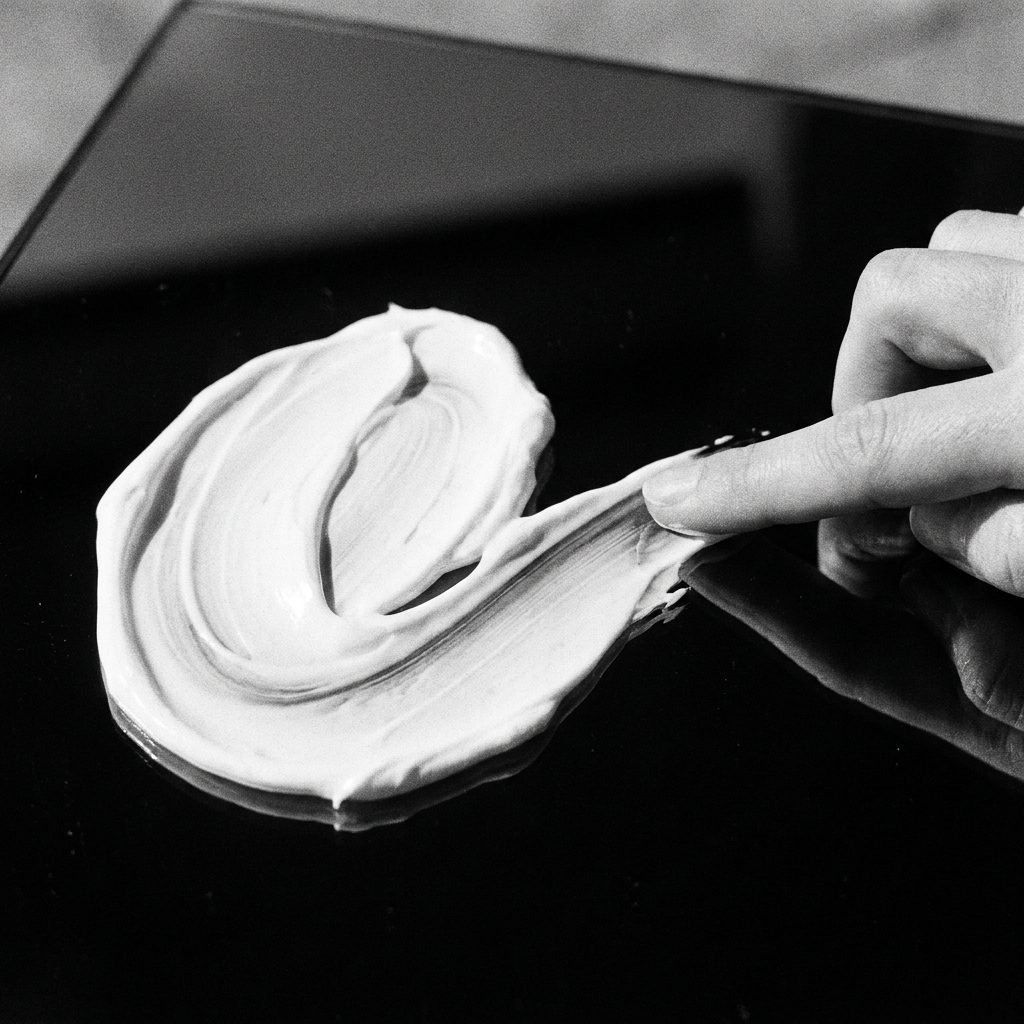
Lip balm is the most-skipped item in most men's grooming routines, and the reason isn't laziness — it's that lips are treated as an afterthought rather than a distinct tissue type with its own biology. They aren't ordinary skin. The stratum corneum on the lips is dramatically thinner than on the face, there are no sebaceous glands to provide a natural oil barrier, and there's no melanin-producing defense against UV in the way the rest of the face has. That combination means lips dry out faster, burn faster, and show sun damage faster than almost any other visible skin. This guide covers the actual biology, then ranks five products that address it properly.
Why Lips Dry Out Faster Than the Rest of Your Face
Skin across most of the body relies on sebaceous glands attached to hair follicles to secrete sebum — an oily film that coats the surface and slows water evaporation. The vermilion border of the lips (the reddish visible portion) has essentially no sebaceous glands and no hair follicles, which means it has no built-in oil barrier at all. Combined with a stratum corneum that is only a few cell layers thick compared to the 15–20 layers on facial skin, lips lose moisture through evaporation dramatically faster than surrounding skin — which is why they dry out first in cold, low-humidity, or windy conditions, and why licking them (which evaporates saliva and pulls additional moisture with it) makes the problem measurably worse rather than better.
This same thin, poorly-defended structure is also why lips are disproportionately vulnerable to UV damage. Melanin production — the pigment that provides the rest of your skin with meaningful baseline UV defense — is minimal on the lips, and the actinic damage that accumulates over years of unprotected sun exposure is a genuine contributor to a condition called actinic cheilitis, a precancerous change to lip tissue that dermatologists take seriously. Daily SPF on the lips is not a cosmetic nicety; it is addressing a real structural vulnerability.
Occlusive vs Humectant — What Actually Fixes Chapped Lips
Because lips can't produce their own oil barrier, an effective balm has to supply one externally. Occlusive ingredients (petrolatum, beeswax, lanolin, dimethicone) form a physical film on the surface that blocks water evaporation directly — this is the single most effective category for actively chapped or cracked lips, because it works regardless of how depleted the tissue's own moisture is. Humectant ingredients (hyaluronic acid, glycerin) pull water into the tissue rather than blocking its escape, which is useful as a complementary layer but less effective as a standalone treatment for lips already losing moisture faster than humectants can replace it.
The practical takeaway: for actively cracked or peeling lips, prioritize a heavy occlusive formula, ideally applied before bed when there's no eating or drinking to wear it off. For daytime maintenance and prevention, a lighter balm with SPF and a moderate occlusive base is the better everyday choice.
#1 — Jack Black Intense Therapy Lip Balm SPF 25 — Best Overall
Jack Black built this balm specifically around a men's grooming positioning — a matte, non-glossy finish, SPF 25 broad-spectrum protection, and a formula anchored by beeswax and shea butter for genuine occlusive performance rather than a thin, cosmetic-feeling layer. It's thick enough to function as real barrier repair while staying unobtrusive enough for daily use without the shiny finish some men actively avoid.
#2 — Aquaphor Lip Repair — Best for Severely Chapped Lips
Aquaphor's formula is built almost entirely around petrolatum, the single most effective occlusive ingredient available — dermatology research consistently ranks petrolatum-based occlusives above nearly every alternative for trans-epidermal water loss prevention. It carries no SPF, so it's not a daytime sun-protection product, but for genuinely cracked, peeling, or painful lips — especially applied overnight — it is the single most effective barrier-repair option in this category.
#3 — Kiehl's Lip Balm #1 — Best Everyday Formula
Kiehl's Lip Balm #1 balances a squalane-and-lanolin base — providing both occlusive protection and a genuine emollient softening effect — in a formula thin enough to reapply frequently throughout the day without feeling heavy. It has no SPF, positioning it as a general-purpose, unisex daily balm rather than a sun-protection product, best paired with an SPF option for daytime outdoor exposure.
#4 — Blistex Complete Moisture SPF 15 — Best Value
Blistex layers a moisturizing occlusive base with SPF 15 protection at a fraction of the cost of premium options — a reasonable everyday choice for men who want daytime UV coverage without a significant spend. The concentration is lower than the Jack Black option above, making it better suited to incidental daily exposure than extended outdoor activity, where a higher-SPF or dedicated sunscreen stick is more appropriate.
#5 — ChapStick Ultra SPF 30 — Best High-SPF Option
For men who spend significant time outdoors — hiking, golf, extended sun exposure — ChapStick's Ultra formula carries the highest SPF rating in this list at 30, meeting the same broad-spectrum protection threshold dermatologists recommend for facial skin. The classic tube format is also simply the most familiar, low-friction application method, which matters for actually getting men to reapply consistently rather than skipping it.
Comparison Table
| PRODUCT | SPF | BEST FOR | PRICE |
|---|---|---|---|
| Jack Black Intense Therapy | SPF 25 | Best overall / matte finish | ~$8 |
| Aquaphor Lip Repair | None | Severely chapped, overnight | ~$5 |
| Kiehl's Lip Balm #1 | None | Lightweight daily wear | ~$12 |
| Blistex Complete Moisture | SPF 15 | Budget daily SPF | ~$4 |
| ChapStick Ultra | SPF 30 | Extended outdoor exposure | ~$4 |
The Habit That Undoes Every Product on This List
- Stop licking your lips. Saliva evaporates faster than it hydrates, and the enzymes in saliva (amylase in particular) can mildly irritate already-compromised lip tissue with repeated exposure — the reflex to lick dry lips makes the underlying dryness measurably worse.
- Apply before bed, not just during the day. Without eating, drinking, or talking to wear it away, an overnight application gets far more uninterrupted contact time to actually repair barrier function.
- Exfoliate gently, occasionally. A soft toothbrush or washcloth used gently once or twice a week removes flaking dead skin that can otherwise trap product on the surface rather than letting it absorb — but skip this on already-cracked or bleeding lips, where mechanical exfoliation will only worsen irritation.
Lip care is a small piece of a larger daily skin routine — for the complete framework on cleanser, actives, moisturizer and SPF sequencing, see our men's skincare routine science guide, or the full best SPF for men ranking for facial sun protection. For everything else, visit the Blade Concept Skin Hub.